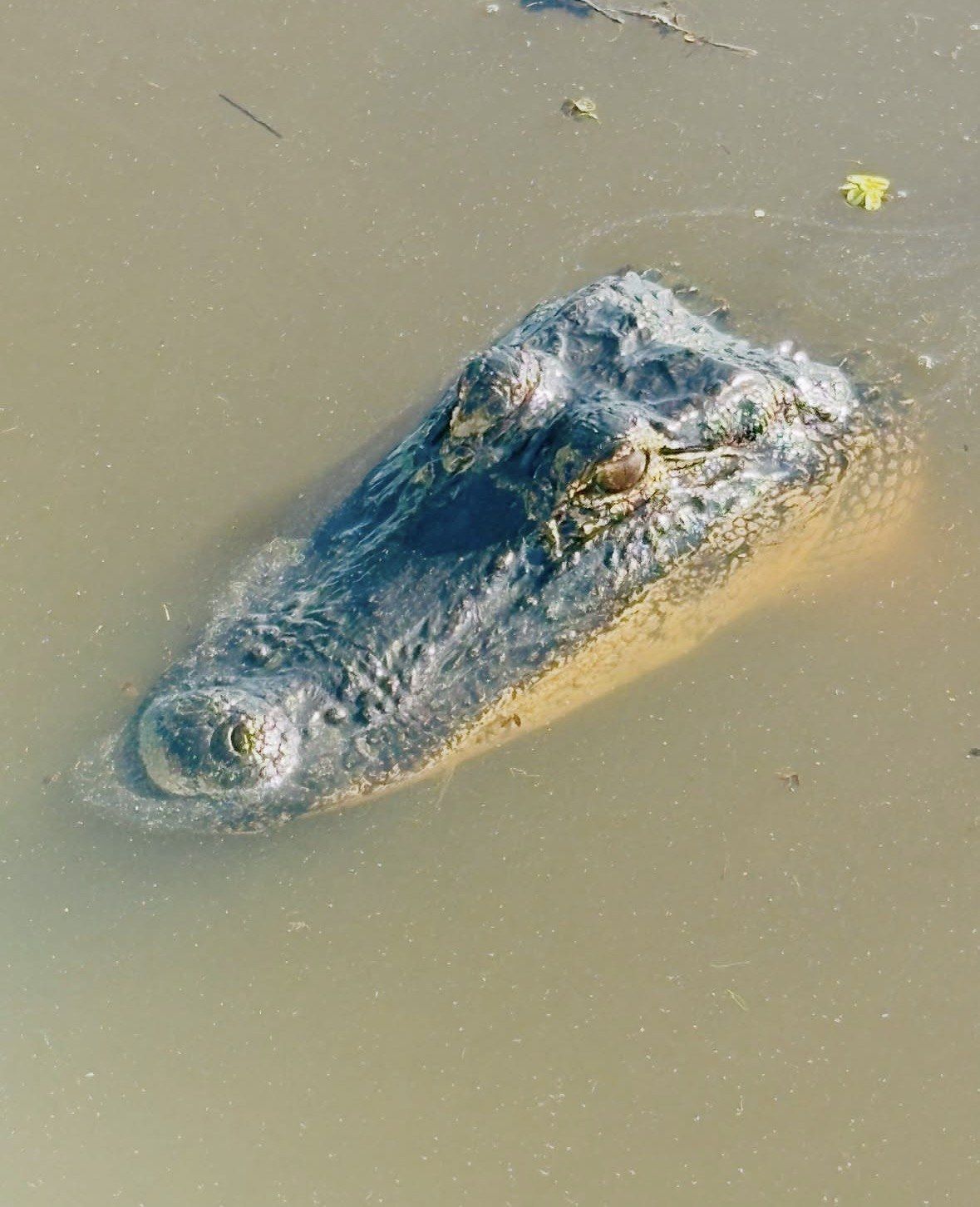
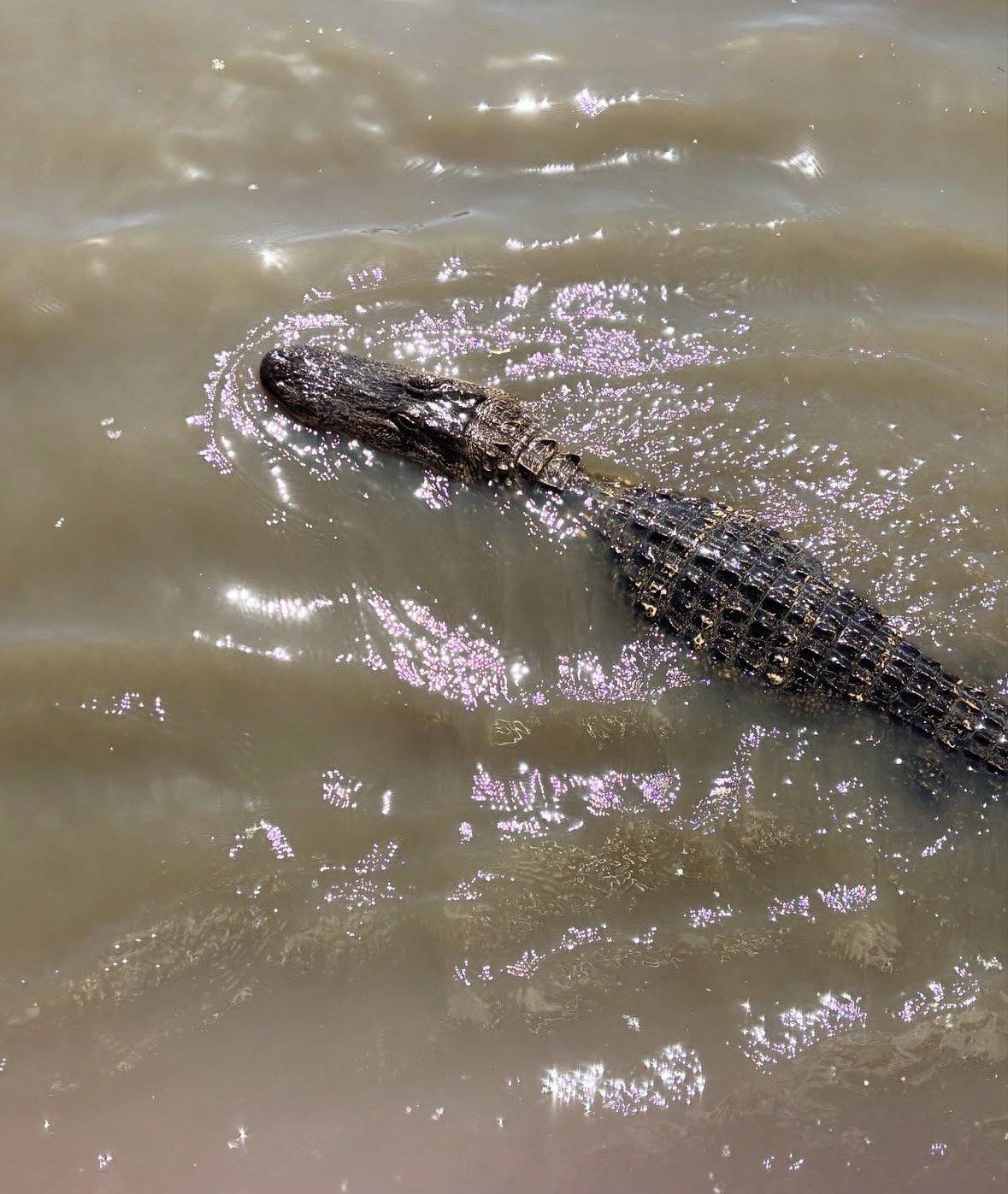
In shortAlligators get top billing, but the list runs wider. More than 200 bird species use Barataria Preserve's waterways on the Mississippi Flyway, 214 are recorded in the Honey Island Swamp, and the preserve inventories nine turtle species and 22 snake species, two of them venomous, alongside abundant raccoons and nutria. Official guidance is to give any snake or alligator plenty of room and never to feed or try to catch wildlife.
over 200bird species at Barataria
214bird species, Honey Island
22snake species, two venomous
9turtle species inventoried
New Orleans swamp animals, group by group
Five groups cover almost everything you notice from a boat: alligators, birds, turtles, snakes and the mammals along the bank. Each one sits behind an official inventory. Barataria Preserve records more than 200 bird species on the Mississippi Flyway, 22 snake species and nine turtle species, while 214 bird species are logged for Pearl River WMA and the Honey Island Swamp on the other side of the city.
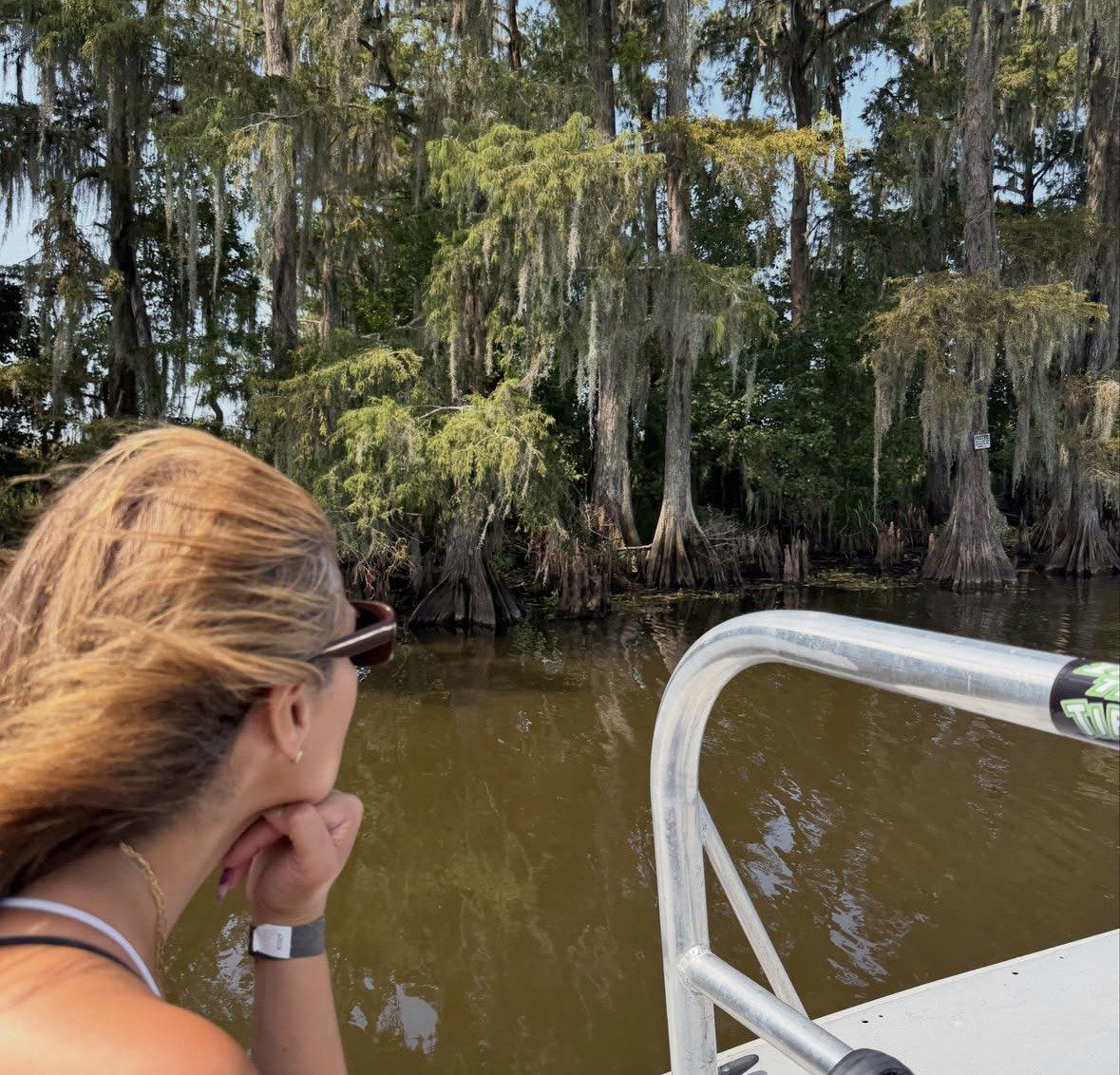
The trees frame every sighting. Woody plants are what make a wetland a swamp in the EPA's classification, and in southern forested swamps the species the animals perch in, shelter under and bask beside are cypress (Taxodium spp.), red maple, overcup oak and willows. At Barataria Preserve three plant systems divide the wildlife between them: hardwood forest, swamp and freshwater marsh.
Water type matters as much as vegetation. The Park Service describes a bayou as a slow-moving marshy waterway, the constantly flowing and typically wide, shallow part of a river, stream or coastal estuary; the word comes from the Choctaw 'Bayuk', meaning small stream, and the water can be fresh, brackish or salt. Swamps may be stagnant or flowing. Forested swamps often sit under many feet of slow-moving water, while non-tidal marsh usually runs from a few inches to two or three feet deep.
The Park Service classes the Spanish moss over the channels as an epiphyte: it collects moisture and nutrients from the air, sits closer to pineapples and other bromeliads than to any moss, and damages a branch only when it grows dense and heavy.
| Group | Season the official facts point to | Where it is recorded |
|---|
| Alligators | Torpid in winter, basking late winter and early spring, feeding vigorously by late April, easing off around early October | Barataria wetlands, Honey Island Swamp and the Manchac wetlands |
|---|
| Wading birds | Present year-round | Bayou Sauvage Urban National Wildlife Refuge, plus the Honey Island Swamp species list |
|---|
| Ducks and other waterfowl | Thousands in late winter and spring | Bayou Sauvage; American Wigeon, Green-winged Teal, Ring-necked Duck, Black-bellied Whistling-Duck, Wood Duck and Hooded Merganser logged in the Manchac marsh |
|---|
| Raptors | Sharp-shinned Hawk, Cooper's Hawk and Bald Eagle from fall through spring | Power line crossing the marsh at Joyce WMA, Manchac wetlands |
|---|
| Nesting kites and warblers | Warm half of the year | Swallow-tailed Kite, Acadian Flycatcher and Swainson's Warbler nest in the Honey Island Swamp |
|---|
| Turtles | No seasonal guidance published by the park | Nine species inventoried at Barataria Preserve |
|---|
| Snakes | No seasonal guidance published by the park | 22 species at Barataria, cottonmouth the one most often encountered |
|---|
| Mammals | No seasonal guidance published by the park | Gray squirrel the most commonly encountered, raccoons abundant, nutria common in swamp and abundant in marsh |
|---|
Alligators and the temperature that moves them
Warmth decides how much alligator activity is on offer. Below 55°F (12.8°C) the animals go dormant in what the Park Service calls brumation rather than hibernation, since they can still wake and move, and they must warm up before they can digest, so they stop feeding unless it is above about 70°F (21°C). A second Park Service figure, from the Everglades species profile, pins the feeding shutdown to water temperatures below roughly 68-73°F (20-23°C), which is the number to weigh if your dates fall in a cool stretch.
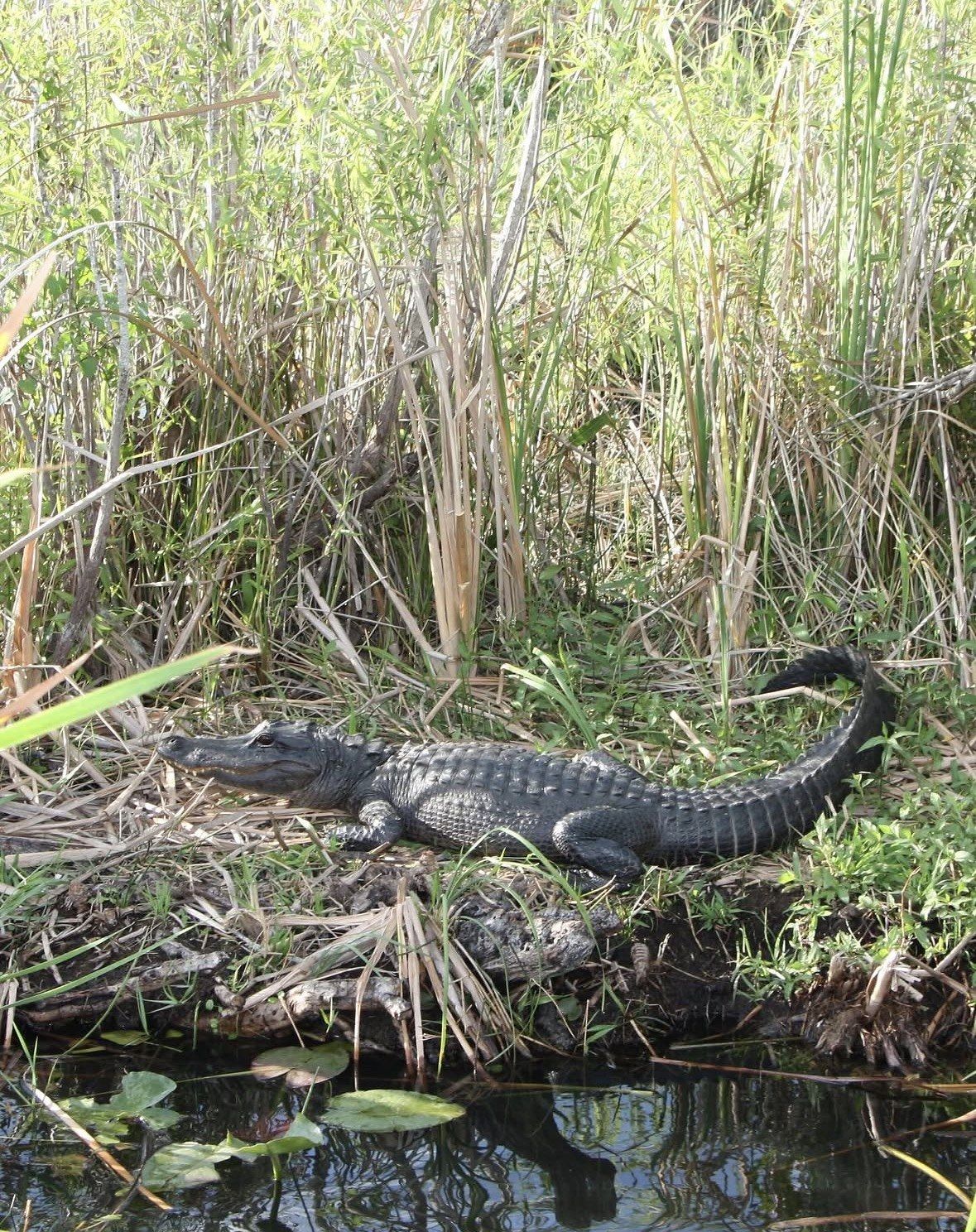
LSU AgCenter sets out the Louisiana year plainly: torpid through winter and surfacing only to breathe, basking in late winter and early spring, feeding vigorously by late April, tailing off around early October. Brumation still leaves openings for a watcher. Warm winter days bring the animals out to bask, and the large ones are commonly seen doing it.
Timing inside the day follows from that. In the cool months take a departure that leaves after the air has warmed. Between June and September book the earliest boat instead, since the animals are active anyway and the heat index can reach 110°F.
No official page promises how close a boat gets to an alligator, and nobody on board is allowed to improve the odds. Inside Jean Lafitte National Historical Park and Preserve, putting food out for alligators or any other wildlife is against the rules, so an animal that comes close has done it on its own. Park Service wording for anyone watching one is blunt: no approaching, no harassing, no feeding, and plenty of room, because an alligator can move very quickly.
Alligator-focused narrated cruise
If the temperature calendar above is why you picked your dates, this narrated boat cruise with a local guide keeps the trip short and puts alligator water at the centre of it: 1.25-4 hours, from $35, rated 4.3 ★ (1343 reviews).
★ 4.3/5 · 1,343 reviews
Wading birds, ducks and raptors over the cypress
Birds are the biggest part of the list by a wide margin. More than 200 species use Barataria Preserve's waterways and vegetation on the Mississippi Flyway, 214 are recorded for Pearl River WMA and the Honey Island Swamp, and nearly 200 are logged in the Manchac-area marsh at Joyce WMA.
A core group stays put at Barataria all year, which is why a December ride and a May ride share part of their list.
Season splits the rest. Hawks, eagles and ducks fill the window from fall through spring, with Sharp-shinned Hawk, Cooper's Hawk and Bald Eagle recorded on the power line crossing the Joyce WMA marsh, and ducks such as Green-winged Teal, Ring-necked Duck and Hooded Merganser among the species logged there. The warm months belong to the breeders: Swallow-tailed Kite, Acadian Flycatcher and Swainson's Warbler nest in the Honey Island Swamp, where Anhinga, Red-shouldered Hawk and Mississippi Kite are also present.
None of the official pages ranks the hours of the day for birdwatching, so season is the lever worth pulling. Wading birds are reported year-round at Bayou Sauvage Urban National Wildlife Refuge, with thousands of waterfowl there in late winter and spring, which keeps herons and egrets on the checklist in any month. Bring binoculars: a boat under way does not stop on request.
- Barred Owl
- Red-bellied, Downy, Hairy and Pileated Woodpeckers
- Carolina Chickadee and Tufted Titmouse
- Carolina Wren
- Blue-gray Gnatcatcher
- Northern Cardinal
Turtles, snakes and how much room to give them
Turtles are the quiet win of a slow boat ride. Barataria Preserve inventories nine species, and the ones you pick out are usually hauled out on deadfall rather than swimming.
Snakes are more numerous than visitors expect and much less dangerous than the reputation. Twenty-two species have been recorded at Barataria and only two are venomous: the cottonmouth, which is the one you are most likely to meet, and the copperhead, which keeps to drier ground.
Official guidance is short and it applies on the water as much as on a trail: give any snake or alligator plenty of room, and never feed or try to catch a wild animal. Keep hands inside the boat near vegetation at the channel edge.
Smaller animals cause more trouble than snakes. Mosquitoes are active most of the year in the preserve and the Park Service recommends bringing bug repellent; the park also warns about stinging caterpillars and fire ants, and advises insect repellent plus closed-toe shoes for outdoor activity. Pack both before you leave the hotel.
- Red-eared slider
- River cooter
- Snapping turtle
- Alligator snapping turtle
- Spiny softshell
- Mud turtle
- Painted turtle
- Stinkpot
- Gulf Coast box turtle
Nutria, raccoons and the other mammals
Mammals turn up at the edge of the channel rather than out in the middle. At Barataria Preserve the gray squirrel is the most commonly encountered mammal, nine-banded armadillos are abundant, swamp rabbits are very common, white-tailed deer are common, several bat species are present and raccoons are abundant. Introduced wild boar are listed as only occasional.
Nutria is the one visitors ask about by name. The Park Service lists this introduced rodent as common in swamp and abundant in marsh, and Southeastern Louisiana University's Wetlands Restoration Laboratory records that animals released from a south Louisiana fur ranch in the 1920s chew young bald cypress seedlings at the base, causing 100% mortality of unprotected seedlings in the Manchac swamp. A separate page on this site follows that story through to cypress regeneration.
Owls, bats and raccoons are most active after dark, though none of the tours on this site is a night tour. The Honey Island Swamp operator list adds raccoons, owls, wild boars, nutria, snakes, turtles, bald eagles and black bears across about 70,000 acres, citing 200+ plant and 350+ animal species.
Wildlife on a New Orleans swamp tour: choosing the trip
A covered swamp boat with commentary is the format that covers the whole checklist, because it moves slowly enough for turtles and birds and still reaches alligator water. For that full span of groups in one outing, the Swamp and Bayou Boat Tour with Transportation sets aside 5 hours door to door, from $76, rated 4.9 ★ (7171 reviews), and wildlife encounters sit in the inclusions beside live commentary on board and a professional guide. The shuttle collects you outside the Homewood Suites French Quarter at 317 North Rampart Street at the start of the pickup window and does not wait.
If alligators are the whole reason for the trip, the Swamp and Bayou Alligator Tour is a narrated cruise with a local guide, 1.25-4 hours depending on the option, from $35, rated 4.3 ★ (1343 reviews), with transport included only if you choose that option. Set the date by the temperature: late spring through September for movement, a warm winter afternoon for basking.
Paddlers get closer to the trees than to the animals, which is the point of the Manchac cypress corridors. Count on 2.5 hours at water level with the Small-Group Manchac Swamp Kayak Tour, from $90, rated 4.9 ★ (995 reviews), the price covering a paddle lesson, all necessary gear and transport from the French Quarter. Taking that shuttle means standing at The Rampart Tree House, 740 N Rampart Street, an hour and 15 minutes ahead of the scheduled tour time.
Whichever trip you pick, dress for the wetland rather than the city: repellent, closed-toe shoes, binoculars and sun cover from June to September. No tour promises a species on a given morning; the official sources state only what is recorded and when.
- Birds, turtles and alligators on one ride: Swamp and Bayou Boat Tour with Transportation, 5 hours, from $76, 4.9 ★ (7171 reviews)
- Dates chosen around alligator activity: Swamp and Bayou Alligator Tour, 1.25-4 hours, from $35, 4.3 ★ (1343 reviews)
- Manchac cypress from a kayak seat: Small-Group Manchac Swamp Kayak Tour, 2.5 hours, from $90, 4.9 ★ (995 reviews)
Questions people ask
Will I definitely see an alligator?
No official source promises a sighting, and no tour should either. The records say alligators go dormant below 55°F (12.8°C), that they stop feeding unless it is above about 70°F (21°C), and that large animals are commonly seen basking on warm winter days. Pick a warm month or a warm afternoon and the odds improve.
What animals live in the bayou in winter?
Wading birds are reported year-round at Bayou Sauvage Urban National Wildlife Refuge, and thousands of waterfowl use the refuge in late winter and spring. Sharp-shinned Hawk, Cooper's Hawk and Bald Eagle are listed from fall through spring on the Manchac side. Alligators are torpid and surface only to breathe, according to LSU AgCenter, though they come out to bask once the air warms.
Are the snakes a problem for a boat passenger?
Barataria Preserve has 22 recorded snake species and only two are venomous, the cottonmouth being the one most often encountered and the copperhead preferring drier ground. Official guidance is to give any snake plenty of room and never to try to catch a wild animal. Keep your hands inside the boat when the guide takes you close to vegetation.
Can anyone feed the alligators to bring them closer?
No. Throughout Jean Lafitte National Historical Park and Preserve, putting food out for alligators or any other wildlife is against the rules. The Park Service tells visitors never to approach, harass or feed them, and warns that they can move very quickly. Keep your distance and let the guide handle the boat.
What should I bring for wildlife watching on the water?
Binoculars make the bird list usable, since more than 200 species use Barataria's waterways and 214 are recorded in the Honey Island Swamp. The Park Service recommends insect repellent, noting that mosquitoes are active most of the year, and advises closed-toe shoes along with care around stinging caterpillars and fire ants. Add sun cover and water for any trip between June and September.
Read also