New Orleans swamps and bayous: choosing the right boat
Wetlands start about 25 minutes from the French Quarter and run in three directions, each with its own water, its own docks and its own boats. Below you get the format, the duration, the starting price and the timing for each kind of trip.
Honey Island lies northeast past Slidell, the Barataria Basin docks sit south of the city, and Manchac is west toward LaPlace. The direction you drive decides the water, the boats and the wildlife list.
Three separate wetlands answer to the same search. The Honey Island dock area at 55345 US-90, Slidell is about 35 miles out on I-10 East to exit 263, then two miles on US-90 East. South of the city, the Marrero docks at 6601 Leo Kerner Lafitte Parkway and 4757 Orleans Way are given as 25 minutes from New Orleans, while the Lafitte airboat facility on Fleming Park Rd is about 45 minutes. West, the LaPlace wildlife-refuge dock at 110 Frenier Road sits about 25 miles from the city, and the Manchac wetlands at Joyce WMA are bounded by Lake Maurepas, Lake Pontchartrain and the Tangipahoa River.
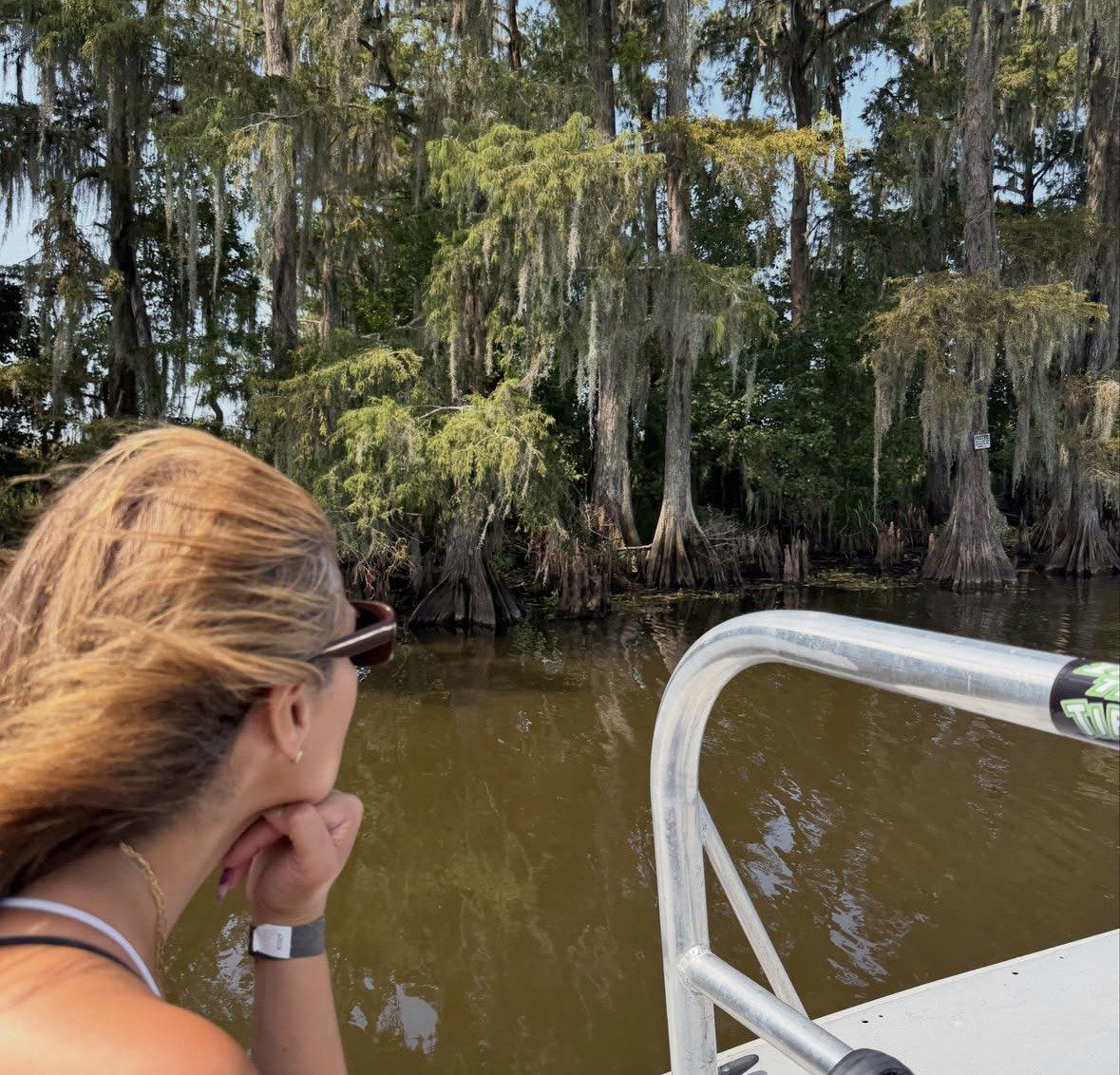
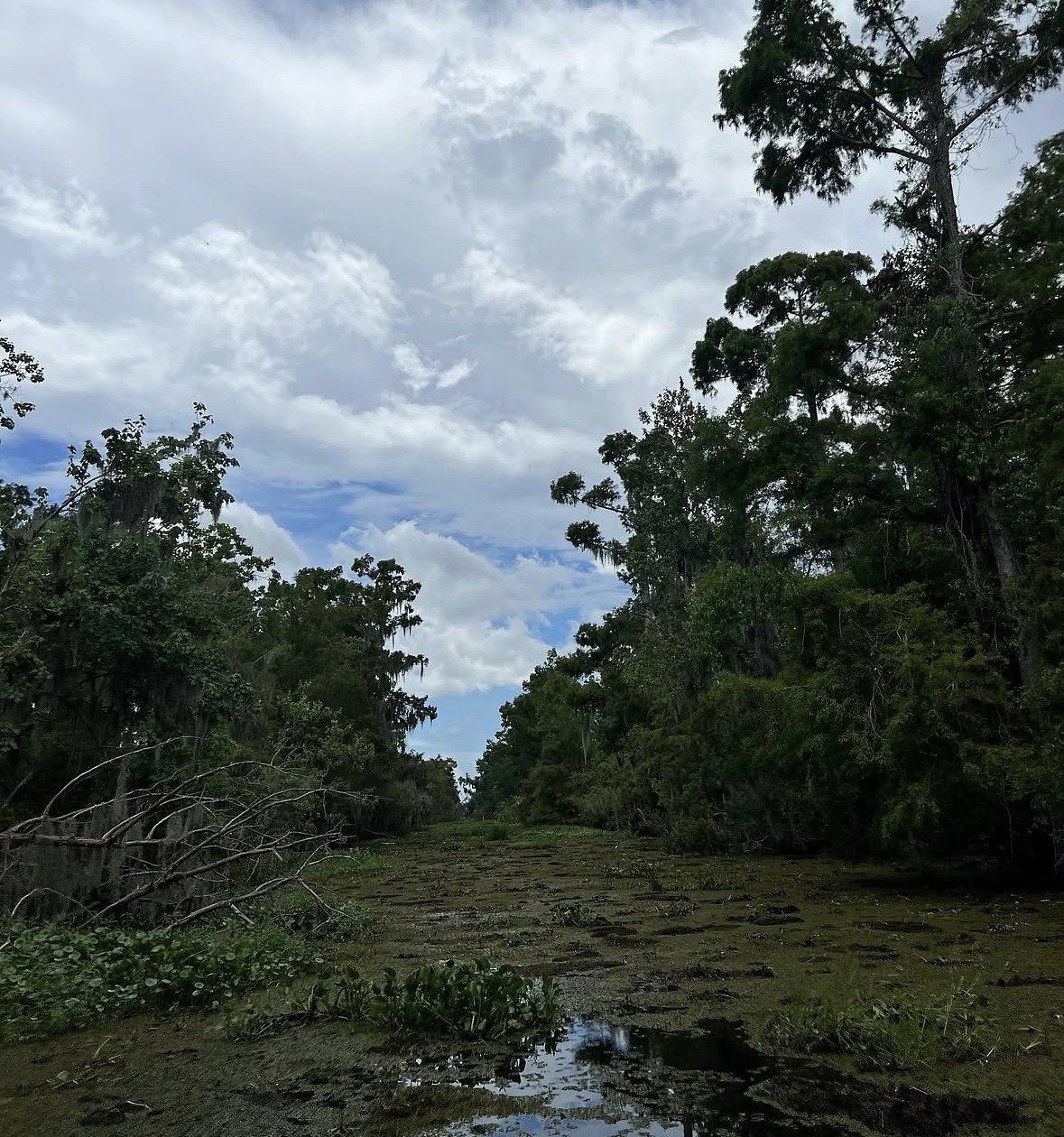
Cypress loggers clear cut the Maurepas land bridge between Lakes Pontchartrain and Maurepas in the late 1800s and early 1900s, so the forest you photograph grew into that gap. Construction of the Mississippi River-Gulf Outlet later raised salinity in both lakes; since its closure, surface and soil salinity have decreased and fluctuations have lessened. Southeastern Louisiana University's Wetlands Restoration Laboratory found bald cypress remarkably tolerant of short-term saltwater of about two weeks and found no evidence that saltwater intrusion explains the missing cypress regeneration in Manchac and Maurepas. Nutria, released from a south Louisiana fur ranch in the 1920s, chew seedlings at the base.
Barataria Preserve protects about 26,000 acres of bayous, swamps, marshes and forests at 6588 Barataria Blvd, Marrero, which New Orleans & Company places 30 minutes outside the French Quarter. Walking it is limited this season: the Visitor Center and most trails, including the Bayou Coquille and Marsh Overlook boardwalk plus Palmetto, Plantation, Old Barataria, Christmas Road, Ring Levee and Wood Duck, closed on 2 February 2026 for Hurricane Ida repairs the Park Service expects to take about two years. Twin Canals Trail, its parking lot and its canoe launch remain open for day use only, with no restrooms and no overnight stays.
•
Barataria Preserve sizeabout 26,000 acres
•
Honey Island Swampabout 70,000 acres
•
Birds recorded at Pearl River214 species
•
Snake species at Barataria22, only two venomous
•
Mildest stretch for a day tripOctober and November, highs in the 60s°F
•
Shortest Marrero covered-boat trip1 hour 40 minutes, from $35
•
2 February 2026
Barataria trails closed for repairs
Barataria Preserve shut its Visitor Center and most of its trails on 2 February 2026 for Hurricane Ida repair work the National Park Service expects to last about two years. Over 9 miles of hiking trails appear in the Louisiana Office of Tourism listing for the preserve, most of it unavailable across the 2026-2027 seasons. Twin Canals Trail, its parking lot and its canoe launch stay open for day use.
•
214
Bird species counted at Honey Island
Pearl River WMA and the Honey Island Swamp have 214 recorded bird species, with Swallow-tailed Kite, Barred Owl, Acadian Flycatcher and Swainson's Warbler among the nesting birds. Wading birds, Anhinga, Red-shouldered Hawk and Mississippi Kite are also present. Barataria adds over 200 species on the Mississippi Flyway.
•
55°F (12.8°C)
Winter alligators slow down rather than vanish
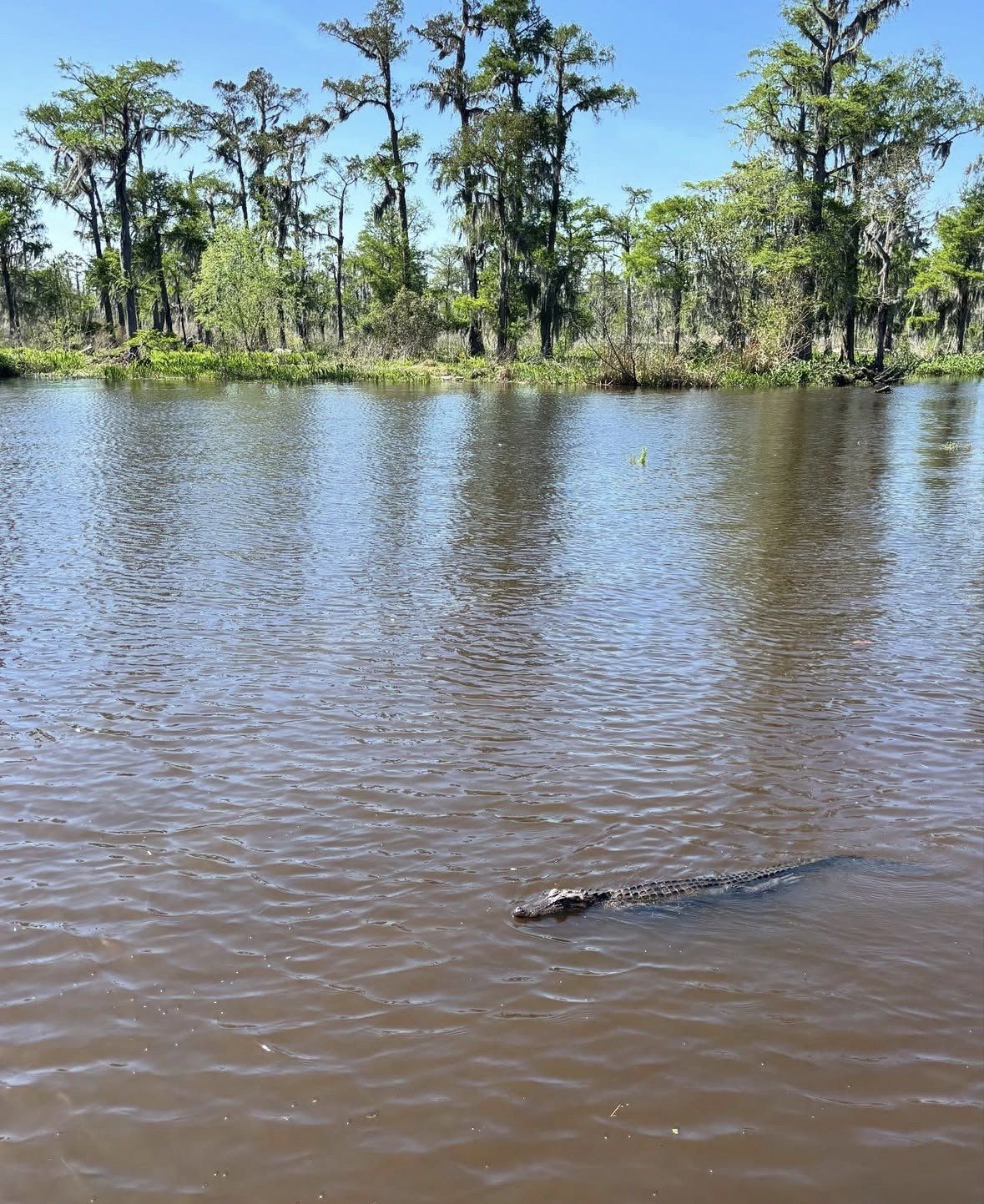
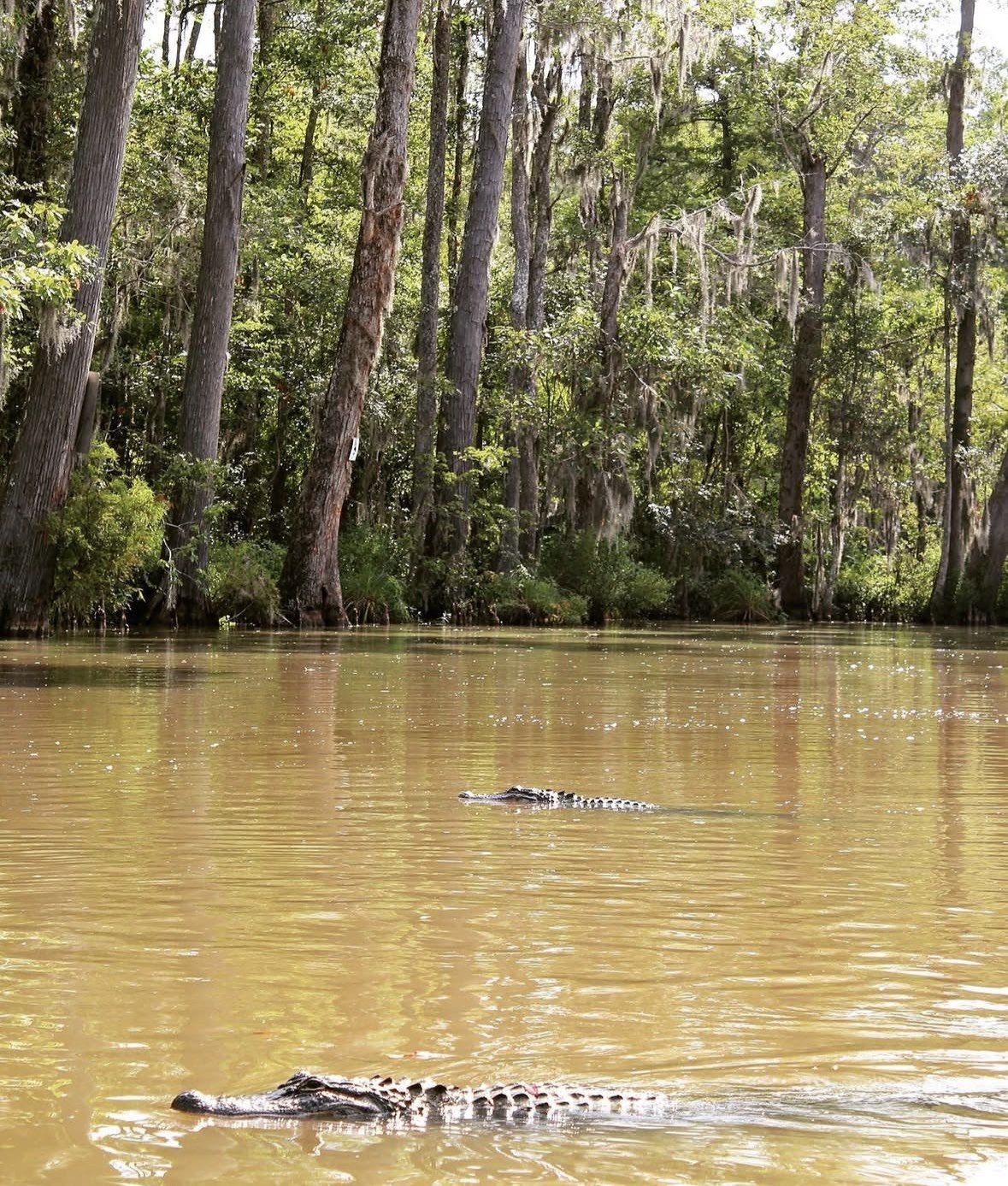
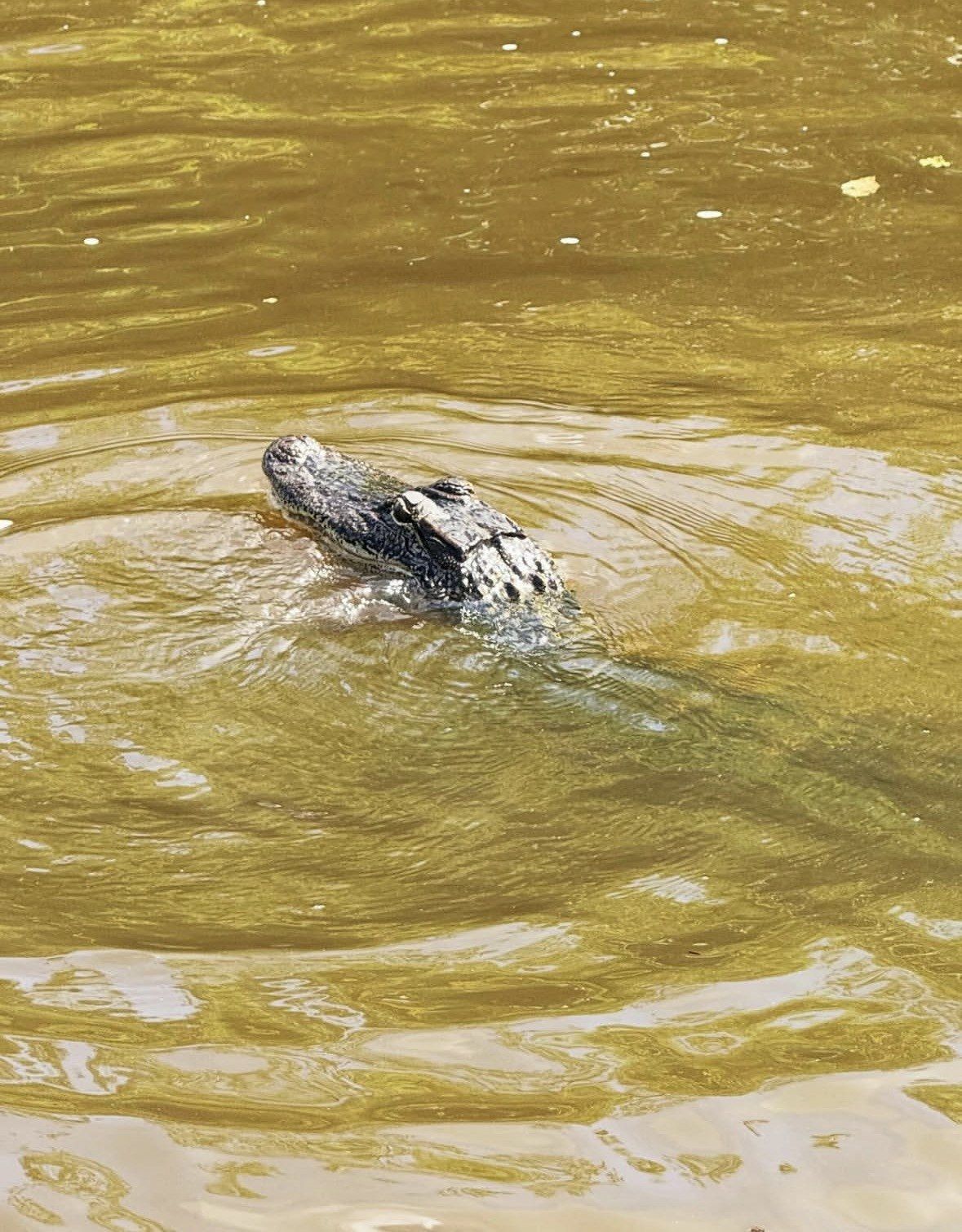
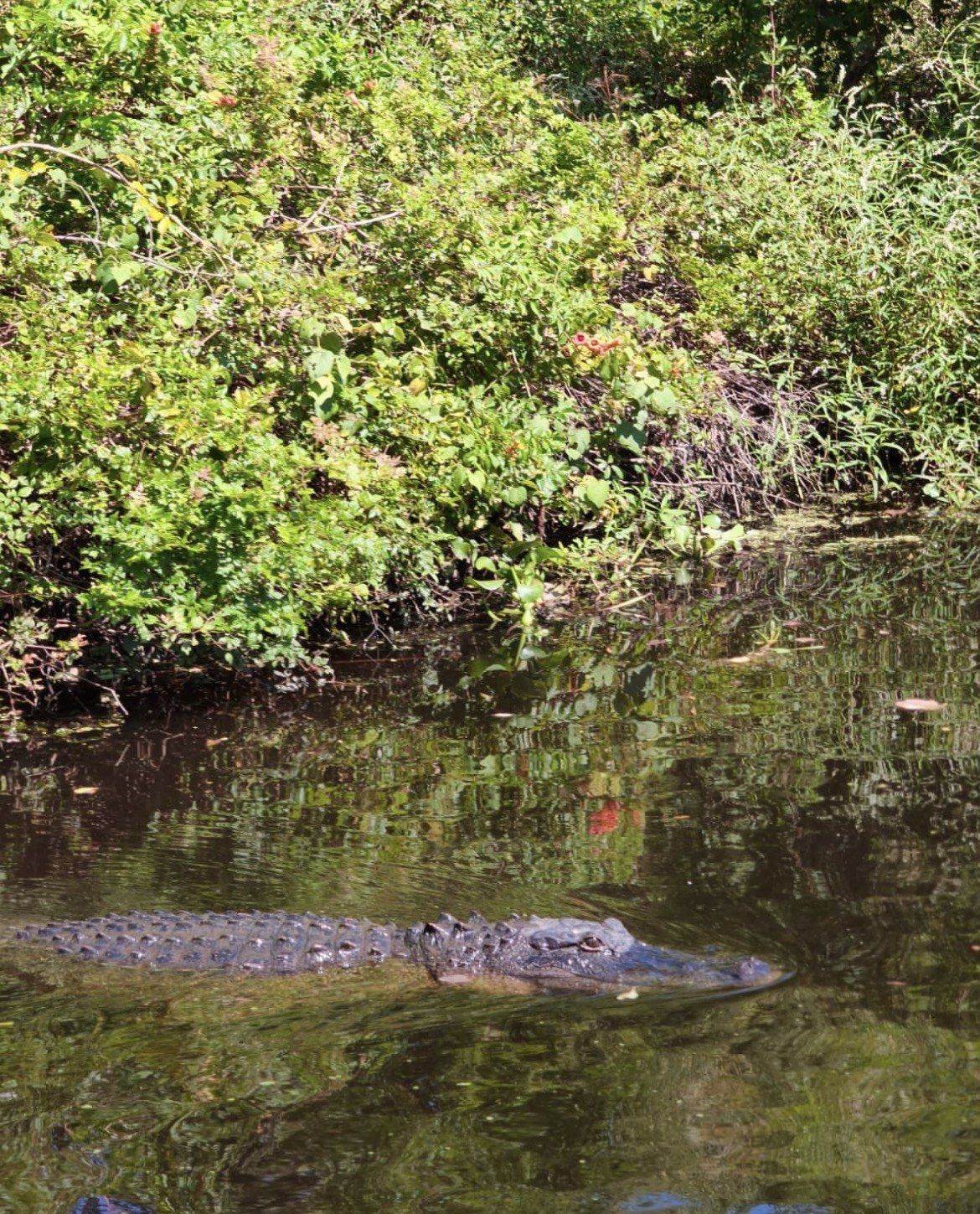
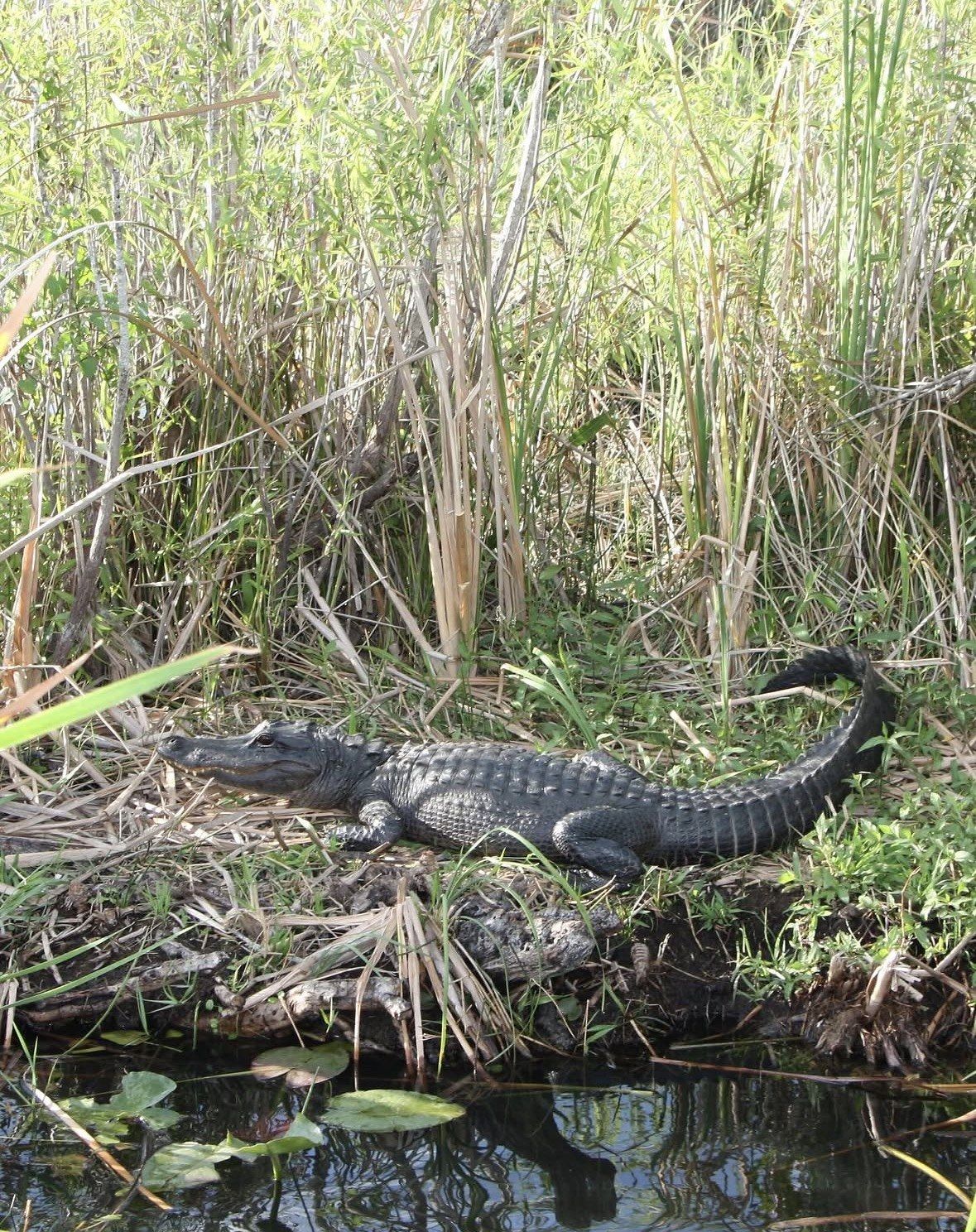
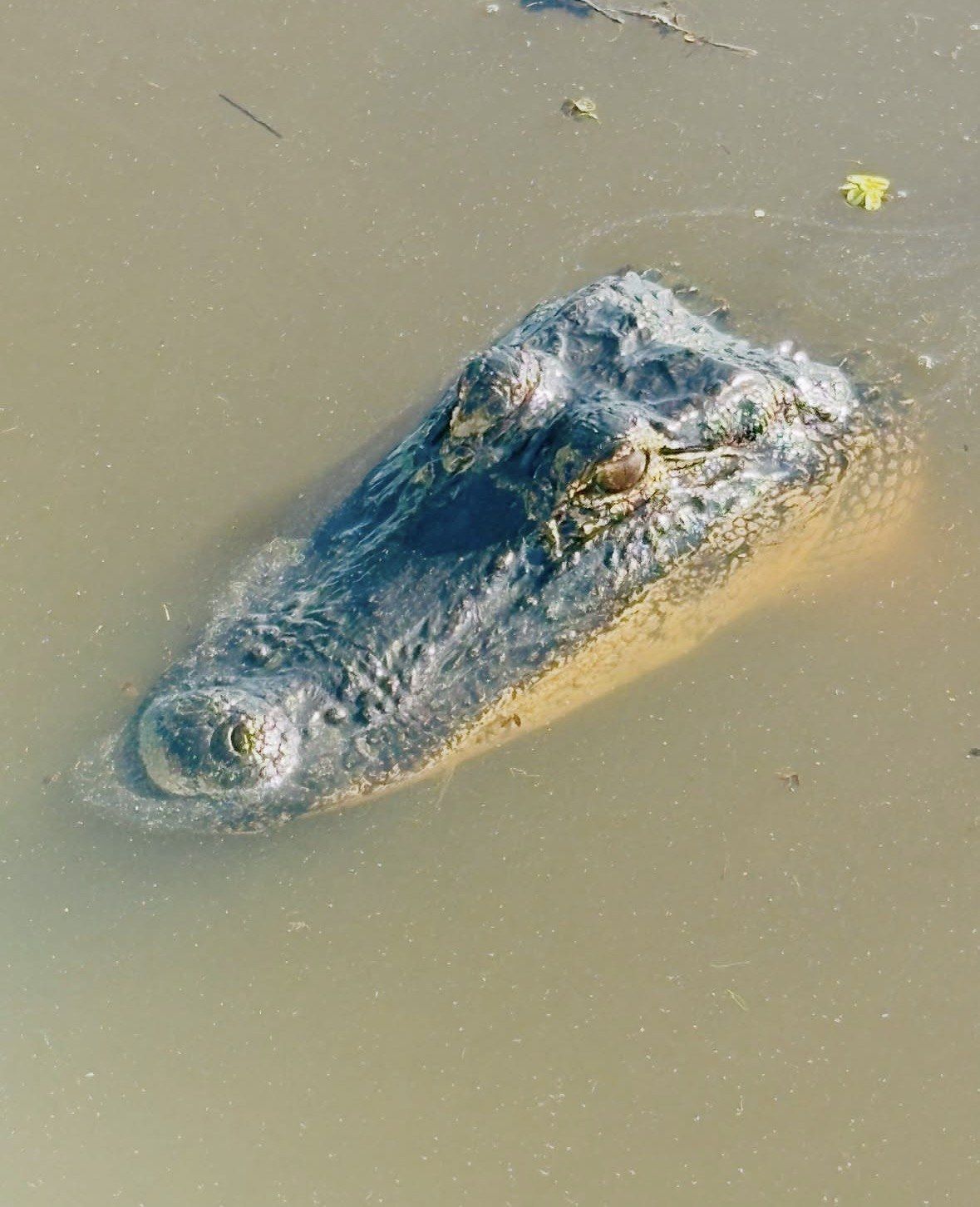
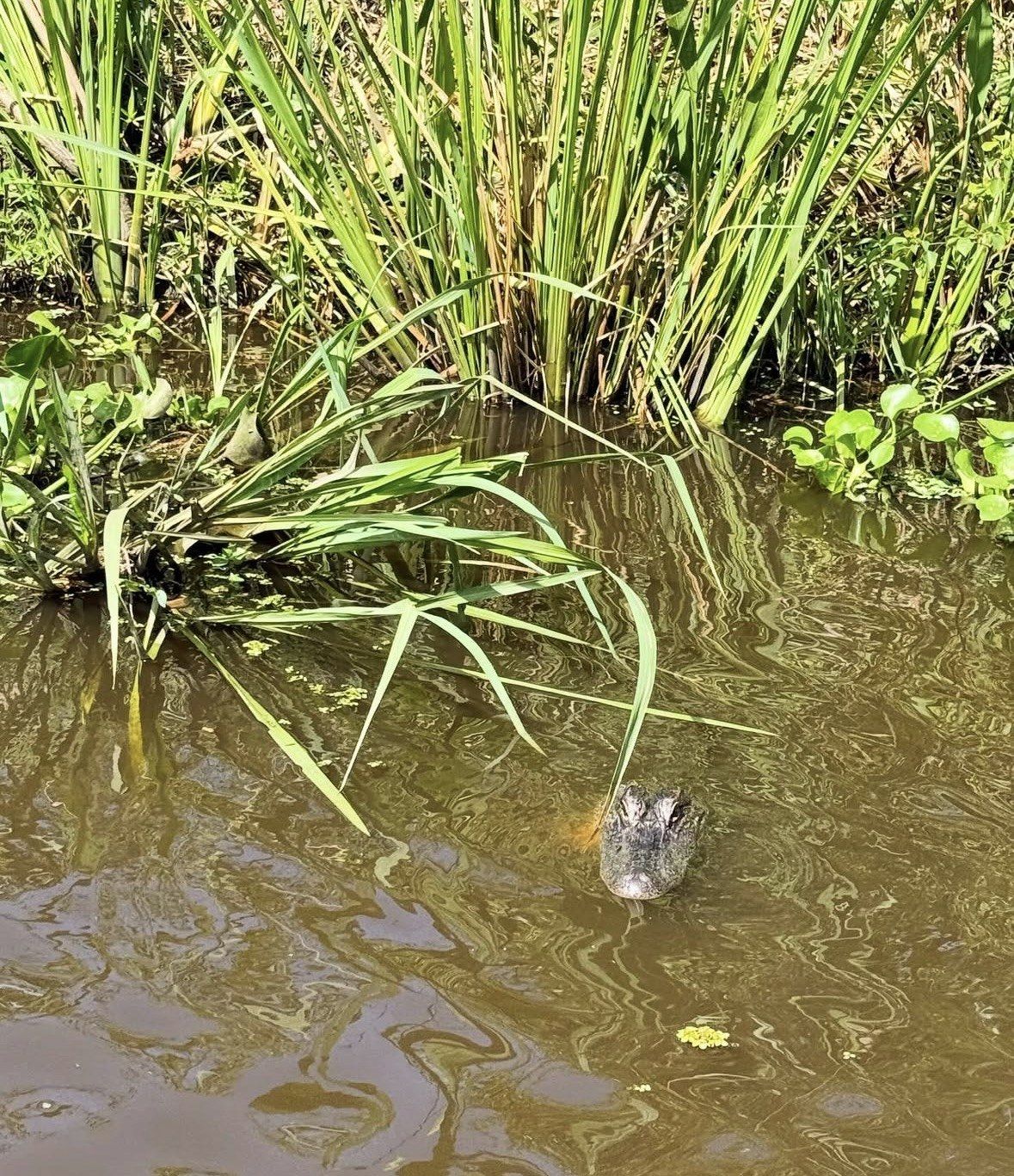
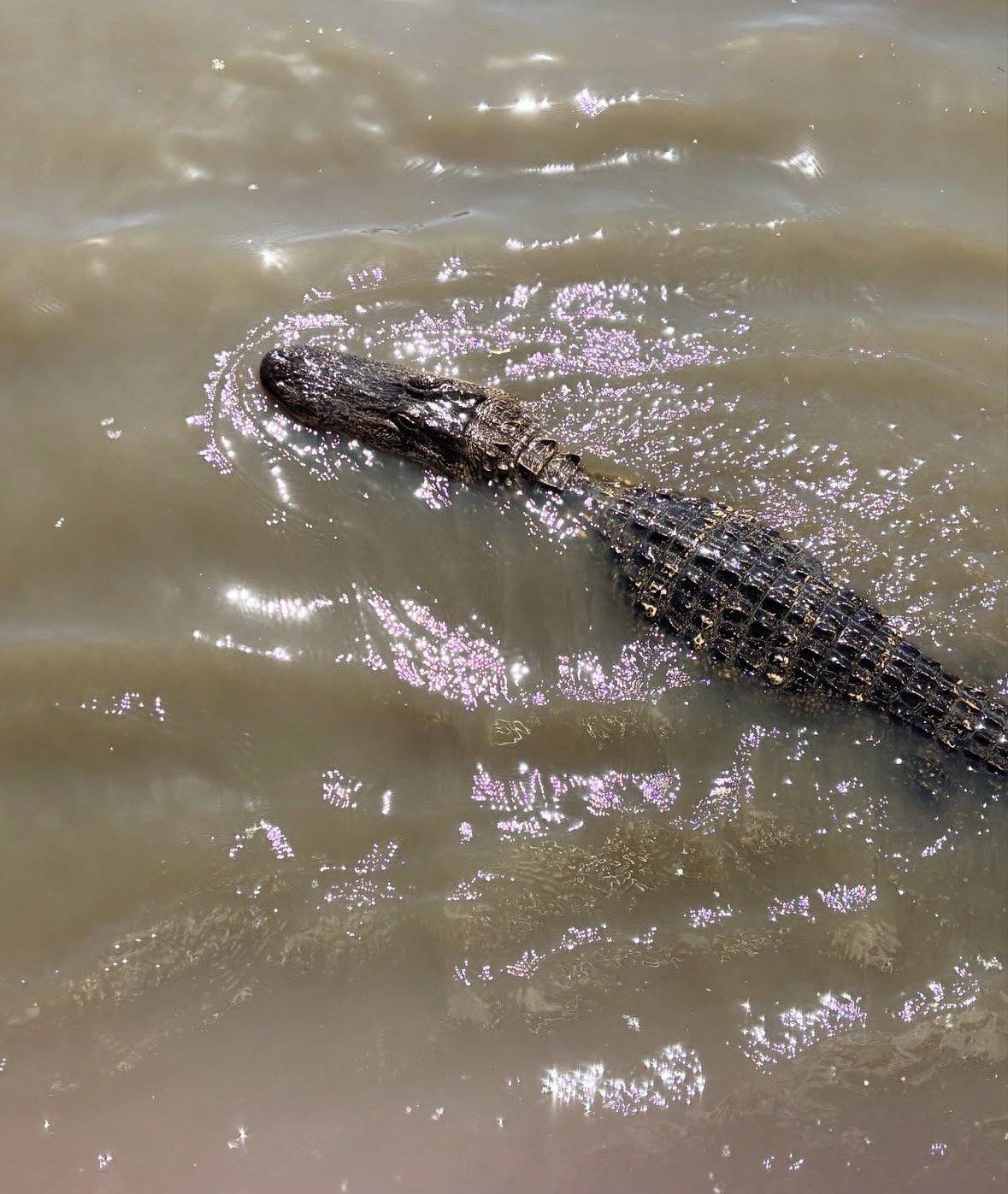
Alligators brumate rather than hibernate, the Park Service explains, becoming dormant below 55°F (12.8°C) but still able to wake and move. They must warm up before they can digest, so they stop feeding unless temperatures are above about 70°F (21°C). Even in brumation they emerge on warm winter days, and large animals are commonly seen basking.
•
9 to 11 inches
The alligator year has a timetable
LSU AgCenter reports Louisiana mating in April and May, nest building and egg laying in June and early July, and hatching in August or early September, with hatchlings 9 to 11 inches long. Females lay 20 to 50 eggs a year and begin nesting at about 6 feet long and 10 to 12 years old. Feeding tails off around early October.
•
2,006 square miles (5,197 km2)
Land coastal Louisiana lost from 1932 to 2016
USGS puts the loss at about 2,006 square miles (5,197 km2) between 1932 and 2016, with a margin of error of plus or minus 171 square miles. The peak rate was about 32.0 square miles a year and the most recent moderate rate about 10.8 square miles a year. That recent rate equals a football field of wetlands every 100 minutes.
•
5.5 miles
Freshwater heading back into Maurepas
CPRA's River Reintroduction into Maurepas Swamp will send Mississippi River freshwater through a 5.5-mile controlled-flow diversion into the cypress-tupelo swamp. The agency says it will add nutrients, flush out stagnant low-oxygen water and deliver fine sediment. Construction started at Hope Canal in 2024, continues near Garyville in 2027, and completion is estimated for 2030.
•
Covered boat with downtown transportation
Five hours door to door, from $76, rated 4.9 ★ (7171 reviews), with live commentary on board and life jackets for guests under 16. Pickup is outside the Homewood Suites French Quarter at 317 North Rampart Street and the shuttle departs promptly: the 9:30 AM trip collects at 8:00 AM, then 10:15 AM, 1:15 PM and 3:30 PM. Food, drinks and gratuities are not included.
•
Large airboat with hotel pickup
Four hours 15 minutes in total, from $90, rated 4.9 ★ (2132 reviews), with hotel pickup and drop-off and a professional guide. This is the option for travellers who want speed and noise without arranging the drive. Food and drinks are not included.
•
Small and six-passenger airboats
Small-group airboats with downtown pickup run 4 hours 15 minutes, from $115, rated 4.9 ★ (1798 reviews), with 1 hour 40 minutes of that on the water in narrower channels. The premium six-passenger airboat is 2-4 hours, from $119, with ear protection, unobstructed views and a small storage space under the seat. Fleming Park Rd is not the entrance; turn right on Texas Street, the next right, to reach the facility.
•
Guided kayaking at eye level
Guided kayaking takes a 1.5-hour slot, from $59, rated 5.0 ★ (31 reviews), with restrooms and lockers, and check-in inside the building with the customer service representative. For the cypress corridors north of the lake, the small-group Manchac trip runs 2.5 hours, from $90, rated 4.9 ★ (995 reviews), including transport from the French Quarter, a paddle lesson and all gear. Shuttle users meet at The Rampart Tree House, 740 N Rampart Street, 1 hour 15 minutes before the start.
•
Zipline over the canopy at Laplace
One hour 15 minutes, from $89, rated 5.0 ★ (1066 reviews), including safety instruction, helmets, harnesses and lanyards. The location is 301 Peavine Rd, Laplace, LA 70068, and all participants must arrive 30 minutes before the start time. Transport is not included but is available on request for an additional fee.
•
Boat ride plus Oak Alley in one day
Seven hours 45 minutes, from $131, rated 4.8 ★ (3556 reviews), with round-trip transportation in an air-conditioned vehicle, a local guide and the Oak Alley Plantation tour. It leaves from the Gray Line Lighthouse at Toulouse St and the Mississippi River, one block from Jackson Square, with check-in 15 minutes before boarding. Oak Alley's guided Big House tour lasts 30 minutes and runs daily between 9:00 am and 4:30 pm.
New Orleans swamps and bayous: how the options compare
A quick look at how these wetlands differ from other southern swamp destinations travellers weigh against them.
Travellers planning a wetland day often have more than one candidate on the list, usually because they are deciding where to base themselves rather than which boat to take. The New Orleans swamps and bayous sit unusually close to a major city centre, with departure points from 25 minutes to about 35 miles out and formats that run from a 1 hour 15 minute zipline to a 7 hour 45 minute plantation day. The table below sets that against three other southern wetlands, using only what the sources here cover.
Crowds
Price
Best For
What Sets It Apart
★ New Orleans swamps and bayous
Set by boat size, from six-passenger airboats to covered boats with downtown pickup
Trips here run from $35 to from $131
Alligators, cypress and Spanish moss within a half day of the French Quarter
Three wetland areas in three directions, with boat, airboat, kayak, zipline and plantation formats
Everglades, Florida
Its own national park gateways, outside the departure points listed here
No prices listed on this site
Travellers already based in South Florida
Alligator behaviour follows the same rules: the NPS Everglades profile puts the feeding shutdown below roughly 68-73°F (20-23°C)
Atchafalaya Basin, Louisiana
Spread across a far larger basin west of the city
No prices listed on this site
Road trips heading deeper into Cajun country
A separate river basin with its own launches, well away from the Barataria and Pearl River water covered here
Okefenokee Swamp, Georgia
Remote entrances well beyond a day's reach of New Orleans
No prices listed on this site
Paddlers planning longer self-contained trips
A blackwater peat system, where Barataria mixes hardwood forest, swamp and freshwater marsh
Proximity is the deciding factor. The New Orleans swamps and bayous put wild alligators, over 200 bird species on the Mississippi Flyway and about 26,000 acres of preserve within 30 minutes of the French Quarter, with 214 recorded bird species on the Honey Island side of the city. Nowhere else on that list offers six boat and aerial formats, downtown pickup windows and a Great River Road day from the same starting point.
Practical info
Everything to know about New Orleans swamps and bayous
Access, timing, kit, etiquette and safety for the wetlands around New Orleans, with the figures as the parks and operators publish them.
Getting out to the docks and pickup points
Each wetland sits in a different direction. Honey Island's dock area at 55345 US-90, Slidell is about 35 miles on I-10 East to exit 263, then two miles on US-90 East. The Marrero docks at 6601 Leo Kerner Lafitte Parkway and 4757 Orleans Way are given as 25 minutes from the city, and Barataria Preserve at 6588 Barataria Blvd, Marrero is placed 30 minutes outside the French Quarter. The Lafitte airboat facility on Fleming Park Rd is about 45 minutes out.
If you would rather not drive, several trips handle the road for you. The covered boat with transportation collects outside the Homewood Suites French Quarter at 317 North Rampart Street and the shuttle departs promptly at 8:00 AM, 10:15 AM, 1:15 PM or 3:30 PM depending on the boat time. The large and small-group airboats include hotel pickup and drop-off, the Manchac kayak trip includes transport from the French Quarter, and the Oak Alley day leaves from the Gray Line Lighthouse at Toulouse St and the Mississippi River.
Honey Island dock area: 55345 US-90, Slidell, about 35 miles on I-10 East to exit 263, then two miles on US-90 East
Marrero docks at 6601 Leo Kerner Lafitte Parkway and 4757 Orleans Way: given as 25 minutes from New Orleans
Lafitte airboat facility, Fleming Park Rd: about 45 minutes out, and you enter by turning right on Texas Street, the next right
Self-transport boat departure: 9706 Barataria Blvd, Marrero, arriving at least 20 minutes early because boats leave on time
LaPlace wildlife-refuge dock at 110 Frenier Road: about 25 miles from New Orleans
Downtown pickup for the covered boat: outside Homewood Suites French Quarter, 317 North Rampart Street, shuttle departs promptly
Zipline at 301 Peavine Rd, Laplace: arrive 30 minutes before the start time, with transport available on request for an additional fee
The months that make this comfortable
October and November are the pick. Average highs sit in the 60s°F with lows in the 40s-50s°F and less frequent rain, which is the mildest stretch for a daytime trip on an open or lightly covered deck. Summer from June to September runs hot and humid, with highs often in the low 90s°F and a heat index that can reach 110°F, so take the earliest departure of the day if those are your dates.
Weather risk clusters in two places. Hurricane season runs June through November, and spring brings frequent afternoon thunderstorms, both of which can stop boats going out, so leave a spare day in the itinerary. Winter is mild rather than cold: the 1991-2020 normals give December a high of 64.8°F (18.2°C) and low of 48.4°F (9.1°C), January a high of 62.5°F (16.9°C) and low of 46.1°F (7.8°C), and February a high of 66.4°F (19.1°C) and low of 49.7°F (9.8°C).
October and November: highs in the 60s°F, lows in the 40s-50s°F, less frequent rain
June to September: highs often in the low 90s°F with a heat index reaching 110°F
Hurricane season June through November can stop departures
Spring afternoons bring frequent thunderstorms, so take a morning boat
December normals: high 64.8°F (18.2°C), low 48.4°F (9.1°C)
January is the coldest month: high 62.5°F (16.9°C), low 46.1°F (7.8°C)
February is the mildest winter month: high 66.4°F (19.1°C), low 49.7°F (9.8°C)
What to bring on the boat
Insect repellent comes first. The Park Service says mosquitoes are active most of the year in the preserve and recommends bringing bug repellent, and it also warns about stinging caterpillars and fire ants. Closed-toe shoes are the official advice for outdoor activity here, which matters at a dock as much as on a trail. Food and drinks are not included on the boat and airboat trips, so carry water, especially between June and September.
Clothing depends on the month and the boat. Layers work for winter mornings when January highs average 62.5°F (16.9°C), while sun cover matters more in the low 90s°F of midsummer. Airboats are open and loud: the premium six-passenger trip includes ear protection and has a small storage space under the seat, which is useful if you are carrying a camera. The covered boat with transportation provides life jackets for guests under 16, and the kayak trip has restrooms and lockers at check-in.
Insect repellent: mosquitoes are active most of the year in the preserve
Closed-toe shoes, the Park Service recommendation for outdoor activity
Sun cover and water for June to September, when the heat index can reach 110°F
Layers for winter mornings, with January normals of 62.5°F (16.9°C) and 46.1°F (7.8°C)
Your own snacks and drinks, since food and drinks are not included on most trips
Binoculars for the 200-plus bird species using Barataria's waterways and vegetation
A camera strap for open airboats; ear protection is included on the six-passenger trip
Little luggage for the kayak slot, where lockers and restrooms are at check-in
Local timing and etiquette worth knowing
Arrival times are enforced rather than suggested. The Marrero boat departure asks for at least 20 minutes before the tour time because the boats leave on time and cannot delay the start, the Laplace zipline requires 30 minutes, the Oak Alley day wants 15 minutes before boarding, and the Manchac kayak shuttle meets 1 hour 15 minutes ahead. The downtown pickup window for the covered boat departs promptly, which in practice means waiting outside 317 North Rampart Street rather than in the lobby.
Two local details change how guides talk about the landscape. Spanish moss is an epiphyte, not a parasite: it collects moisture and nutrients from the air and does no harm to branches unless it grows too dense and heavy, and it is more closely related to pineapples and other bromeliads than to any moss. Bayou and swamp are also distinct: the Park Service calls a bayou a slow-moving marshy waterway that is constantly flowing, from the Choctaw word Bayuk meaning small stream, while swamps are fed by surface water or groundwater and may be stagnant or flowing.
Arrive 20 minutes early at 9706 Barataria Blvd, Marrero; the boats cannot delay departure
Arrive 30 minutes before the zipline start time at 301 Peavine Rd, Laplace
Check in 15 minutes before boarding at the Gray Line Lighthouse for the Oak Alley day
Meet the Manchac kayak shuttle at The Rampart Tree House, 740 N Rampart Street, 1 hour 15 minutes early
Turn right on Texas Street, the next right, to enter the Lafitte airboat facility
Snacks and refreshments are available for purchase on the narrated alligator cruise, and there is a gift shop and bar at the airboat site
Spanish moss is a bromeliad rather than a moss, and the Choctaw word Bayuk means small stream
Heat, insects and alligator rules
Heat is the most common problem on these trips. Summer highs often reach the low 90s°F with a heat index that can touch 110°F, and the boats are open or only lightly covered, so the earliest departure of the day is the comfortable one. Insects need planning too: mosquitoes are active most of the year in the preserve, the park warns about stinging caterpillars and fire ants, and the official advice pairs insect repellent with closed-toe shoes.
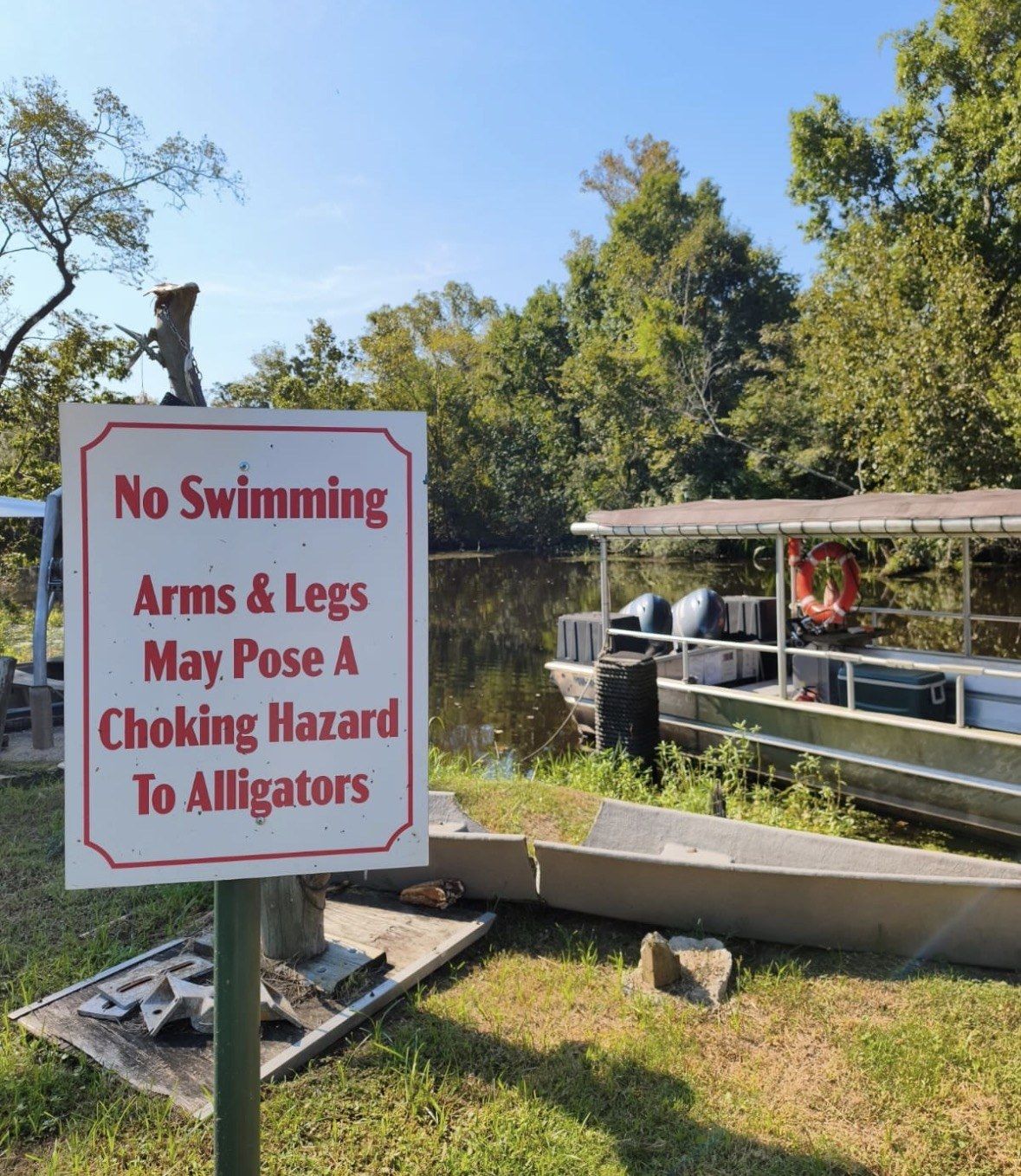
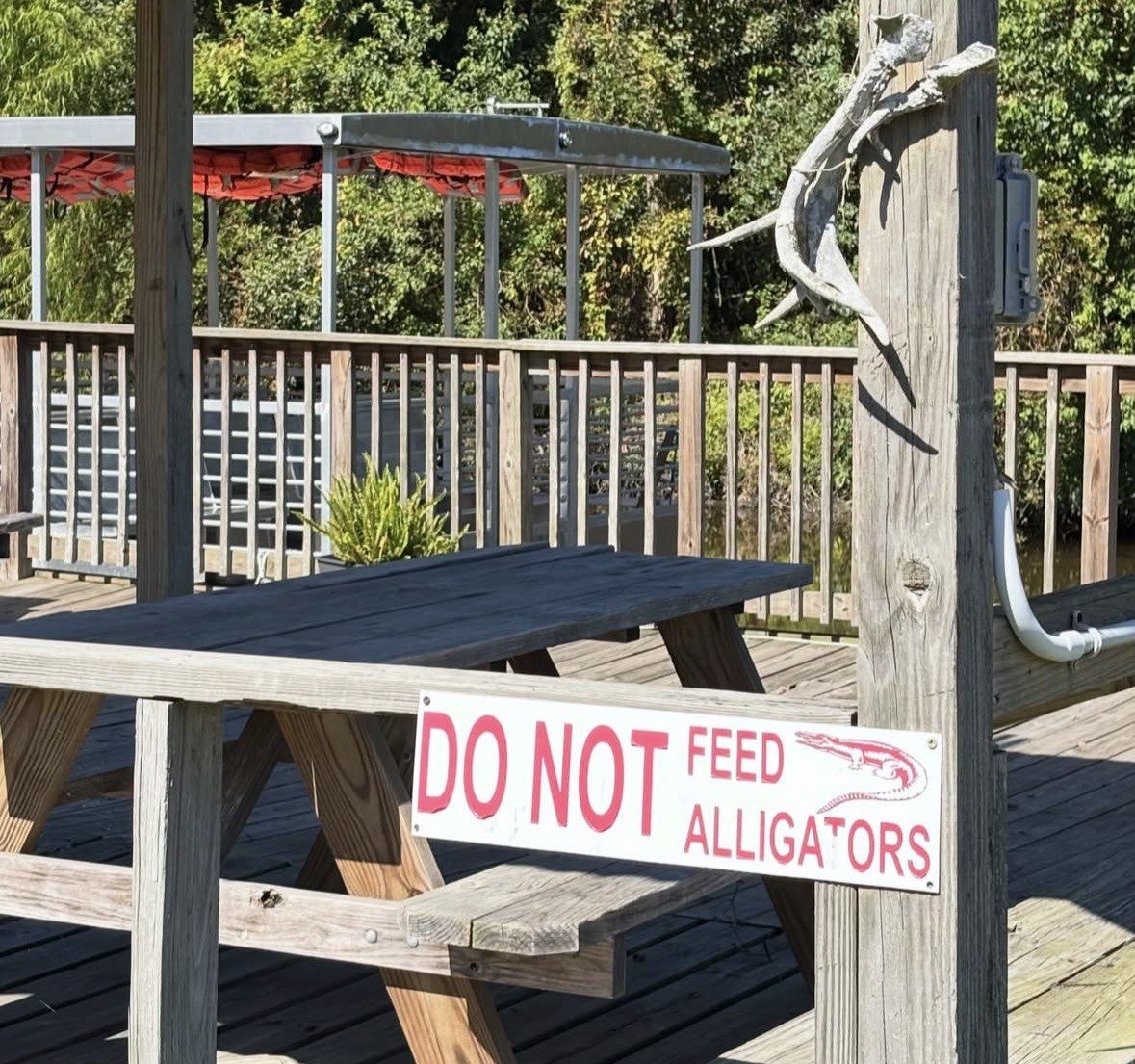
Wildlife rules are firm. The Park Service instructs visitors never to approach, harass or feed alligators, warning that they can move very quickly, and to give any snake or alligator plenty of room and never feed or try to catch wild animals; feeding wildlife is prohibited inside Jean Lafitte National Historical Park and Preserve. Barataria has 22 recorded snake species and only two are venomous, the cottonmouth most often encountered and the copperhead on drier ground. Pets are allowed only in preserve parking areas, leashed and held, never left in vehicles.
Never approach, harass or feed alligators; the Park Service warns they can move very quickly
Give any snake or alligator plenty of room and never try to catch wild animals
Feeding wildlife is prohibited in Jean Lafitte National Historical Park and Preserve
Of 22 snake species recorded at Barataria, only the cottonmouth and copperhead are venomous
Bring repellent and wear closed-toe shoes against mosquitoes, stinging caterpillars and fire ants
In summer, choose an early departure: the heat index can reach 110°F
Pets stay in parking areas only, leashed and held, and are banned from the trails
Location
Find Barataria Preserve, Marrero
Barataria Preserve, Jean Lafitte National Historical Park and Preserve, 6588 Barataria Boulevard, Marrero, LA 70072, about 30 minutes outside the French Quarter.
Plan your visit
Practical info for the swamps and bayous near New Orleans
Seasons, wildlife, weather, departure areas and what each type of swamp trip actually involves.
New Orleans swamps and bayous: frequently asked questions
Straight answers on current conditions, formats, timings and wildlife in the New Orleans swamps and bayous, with every figure taken from park and tour listings.
Not this travel season. The Barataria Preserve Visitor Center and most of its trails closed on 2 February 2026 for Hurricane Ida repair work that the National Park Service expects to last about two years, which covers 2026 and 2027. The closed routes include Bayou Coquille and Marsh Overlook plus Palmetto, Plantation, Old Barataria, Christmas Road, Ring Levee and Wood Duck, while Twin Canals Trail, its parking lot and its canoe launch stay open for day use, with no restrooms and no overnight stays. Several state and parish listings still advertise visitor centre hours for a building that is shut, so build your wetland time around a guided boat, airboat or kayak trip.
With no car, choose a trip that handles the driving: the covered swamp boat tour with transportation runs 5 hours from $76, collects you outside the Homewood Suites French Quarter at 317 North Rampart Street and departs promptly at the start of the pickup window. If you are driving anyway, you can cut the time away sharply, since the Swamp Tour Boat Adventure is 1 hour 40 minutes from $35 at 9706 Barataria Blvd in Marrero and the Self-Transport Swamp and Bayou Boat Tour is 2 hours from $43 with live commentary on board. No official source describes a bus or transit route to any dock, so transport-included options are the realistic answer for visitors without wheels.
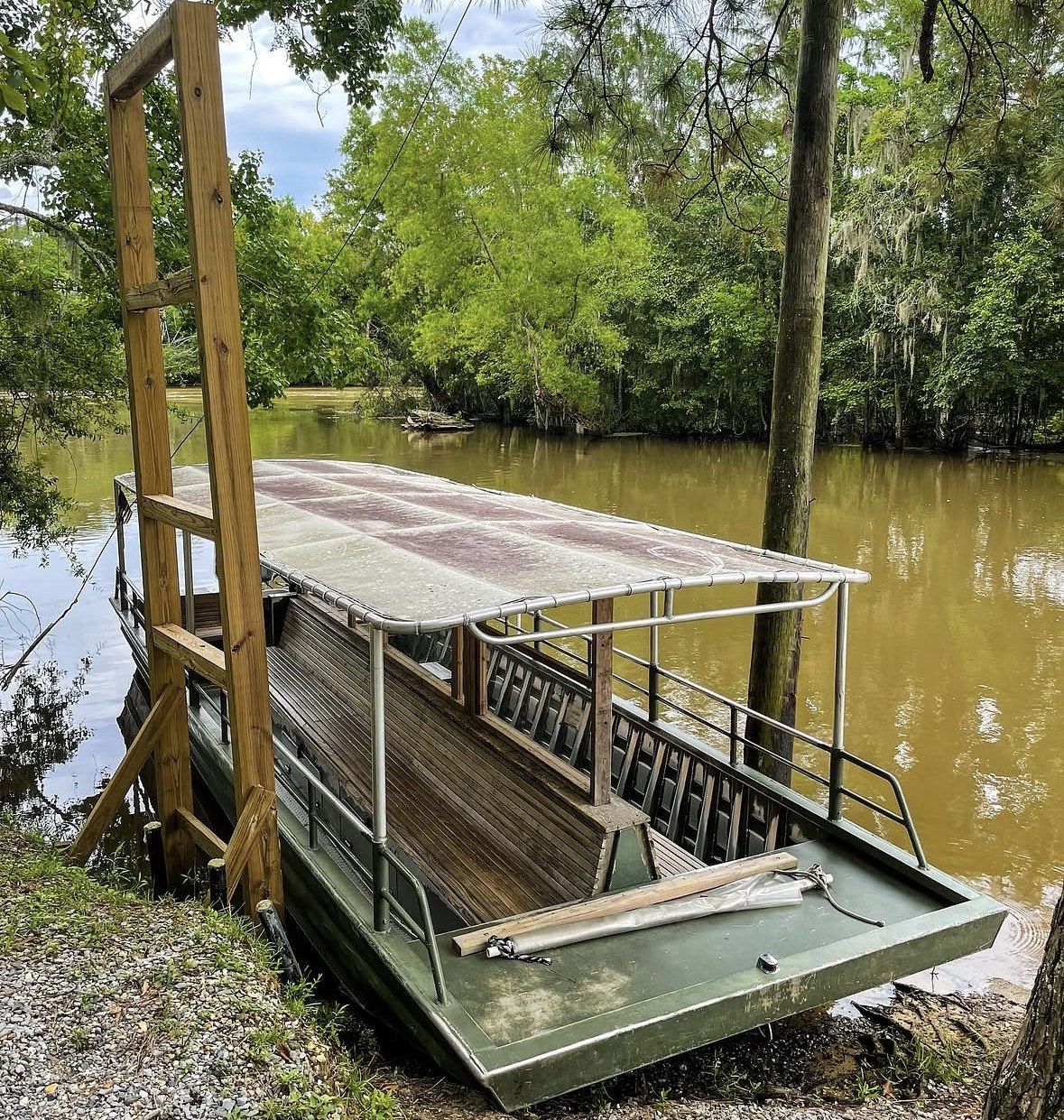
Most people are best served by the steady covered swamp boat, one of six formats the city tourism bureau counts in the New Orleans swamps and bayous: from $35 for 1 hour 40 minutes, or from $60 over 4 hours with downtown hotel pickup. Airboats trade comfort for speed and noise: from $90 for the large boat over 4 hours 15 minutes, from $115 for the small-group version with 1 hour 40 minutes on the water, and from $119 for the six-passenger airboat with ear protection and unobstructed views. Paddlers should look at the Guided Kayak Swamp Tour, 1.5 hours from $59 with lockers and restrooms at the check-in building. For the canopy rather than a deck, the Zipline Swamp Tour runs 1 hour 15 minutes from $89 at 301 Peavine Rd, Laplace, with arrival 30 minutes before the start.
Three different directions out of the city. Honey Island lies northeast near Slidell, with the dock area at 55345 US-90 about 35 miles out on I-10 East to exit 263, then two miles on US-90 East. The Barataria wetlands to the south are the closest water: the preserve is about 30 minutes from the French Quarter, the Marrero docks at 6601 Leo Kerner Lafitte Parkway and 4757 Orleans Way are given as 25 minutes, and the Lafitte airboat facility on Fleming Park Road about 45 minutes. Manchac sits north of Lake Pontchartrain and is covered by the Small-Group Manchac Swamp Kayak Tour, 2.5 hours from $90 with transport from the French Quarter, while the LaPlace refuge dock at 110 Frenier Road is about 25 miles west.
October and November, with average highs in the 60s°F, lows in the 40s-50s°F and less frequent rain, which is the most comfortable stretch for a couple of hours on an open boat. June to September is hot and humid, with highs often in the low 90s°F and a heat index that can reach 110°F. Hurricane season runs June through November, and spring brings frequent afternoon thunderstorms, both of which can stop boats going out, so keep a spare day in the plan during those months. Winter is mild rather than cold: December normals are a high of 64.8°F (18.2°C) and a low of 48.4°F (9.1°C), January 62.5°F (16.9°C) and 46.1°F (7.8°C), and February 66.4°F (19.1°C) and 49.7°F (9.8°C).
Often, but they behave differently. The Park Service explains that alligators brumate rather than hibernate, going dormant below 55°F (12.8°C) while still able to wake and move, and that they must warm up before they can digest, so they stop feeding unless temperatures are above about 70°F (21°C); the Everglades species profile puts that shutdown at water temperatures of roughly 68-73°F (20-23°C). Even in brumation they come out on warm winter days to bask, and large animals are commonly seen basking. LSU AgCenter reports Louisiana alligators are torpid in winter and surface only to breathe, bask in late winter and early spring, feed vigorously by late April and tail off around early October, so pick the warmest, sunniest afternoon slot you can in January or February.
Take the first boat of the day from June to September, when the midday heat index can reach 110°F. The boat tour with transportation runs four slots: 9:30 AM with pickup at 8:00 AM, 12:15 PM with pickup at 10:15 AM, 2:45 PM with pickup at 1:15 PM and 5:00 PM with pickup at 3:30 PM. Arrival rules differ by trip if you are driving: 20 minutes early at 9706 Barataria Blvd, because the boats leave on time and cannot delay the start, 15 minutes before boarding at the Gray Line Lighthouse for the Oak Alley day, 30 minutes before the zipline, and 1 hour 15 minutes before the tour time for the Manchac kayak shuttle at The Rampart Tree House, 740 N Rampart Street.
A covered flat-bottom swamp boat rather than an airboat. New Orleans & Company advises that slower swamp boat tours suit families with young children and that age requirements should be checked before booking an airboat with little ones, and the airboat operations in this area set a minimum age of 5. The Swamp Tour Boat Adventure with Transportation, 4 hours from $60 with pickup from downtown New Orleans hotels, is the easy family pick, and the 5-hour boat tour with transportation includes life jackets for guests under 16. Age limits are enforced at the dock, so read them on the tour page before you confirm.
More than 200 bird species use Barataria Preserve's waterways on the Mississippi Flyway, with Barred Owl, Pileated Woodpecker, Carolina Wren and Northern Cardinal present year-round; Pearl River WMA and the Honey Island Swamp hold 214 recorded bird species, including nesting Swallow-tailed Kite and Swainson's Warbler, and nearly 200 species are logged in the Manchac marsh at Joyce WMA, where Bald Eagle turns up from fall through spring. Barataria has 22 recorded snake species and only two are venomous, the cottonmouth most often encountered and the copperhead on drier ground, alongside nine turtle species, abundant raccoons and nutria, and the gray squirrel as the most commonly encountered mammal. Honey Island Swamp covers about 70,000 acres, is over 20 miles long and nearly 7 miles across, and operators list bald eagles and black bears among 350+ animal species. Whatever you book, bring insect repellent and wear closed-toe shoes, as the Park Service notes mosquitoes are active most of the year and also warns about stinging caterpillars and fire ants.
Yes, and one trip does it in a single run: the Swamp Boat Ride and Oak Alley Plantation Tour from New Orleans lasts 7 hours 45 minutes, from $131, rated 4.8 ★ (3556 reviews), and includes the boat tour, round-trip transport in an air-conditioned vehicle, narration by a local guide and the Oak Alley tour. It departs from the Gray Line Lighthouse at Toulouse St and the Mississippi River, one block from Jackson Square, with check-in 15 minutes before boarding; hotel pickup is not part of it. Oak Alley is at 3645 Highway 18 in Vacherie, about an hour from the city via I-10 West, I-310 South and Highway 3127, and its guided Big House tour lasts 30 minutes and runs daily between 9:00 am and 4:30 pm. The plantation is closed on New Year's Day, Mardi Gras, Thanksgiving Day and Christmas Day, so avoid those dates for the combined day.
Pick your format and see which departure still has space.
Saws took the whole Maurepas land bridge between Lakes Pontchartrain and Maurepas in the late 1800s and early 1900s, and the Manchac swamp you paddle today grew back into that cut. Ruddock, a sawmill town of about 700 residents in 1910, was never rebuilt after the Category 4 hurricane of 1915; Frenier was, and the legend of 'Aunt' Julia Brown, born about 1845 on a 40-acre homestead she inherited, has travelled with the swamp ever since.