In shortBook the 9:30 AM departure for low side light and cool air, and stay off midday slots from June to September, when the heat index can reach 110°F. Shoot shutter priority with auto ISO, meter on the animal rather than the sky, and carry one telephoto zoom. A covered flat-bottom boat, listed for up to 22 guests, is the steadiest platform.
9:30 AMfirst covered-boat departure
up to 22 guestscovered flat-bottom boat
6 passengerssmallest airboat on this site
214 speciesbirds recorded at Honey Island
Which departure time gives you the light
Take the first boat of the day. Four start times are published for the covered boat with transportation, 9:30 AM, 12:15 PM, 2:45 PM and 5:00 PM, and the early one lays low side light across the water and onto the banks where alligators haul out. It costs the same as the slot that bakes you.
From late morning to mid-afternoon the sun sits high and the water works like a mirror. A polarising filter removes a useful part of that glare and brings cypress trunks back into the reflection; beyond that, meter for the brightest part of the frame and lift the shadows afterwards, because a burnt-out sky above a dark bank is the one thing you cannot repair. In the stretch from June to September, drop the two middle departures: with a heat index that can reach 110°F you get fogged eyepieces, batteries that empty faster than planned and sweat on the rear screen.
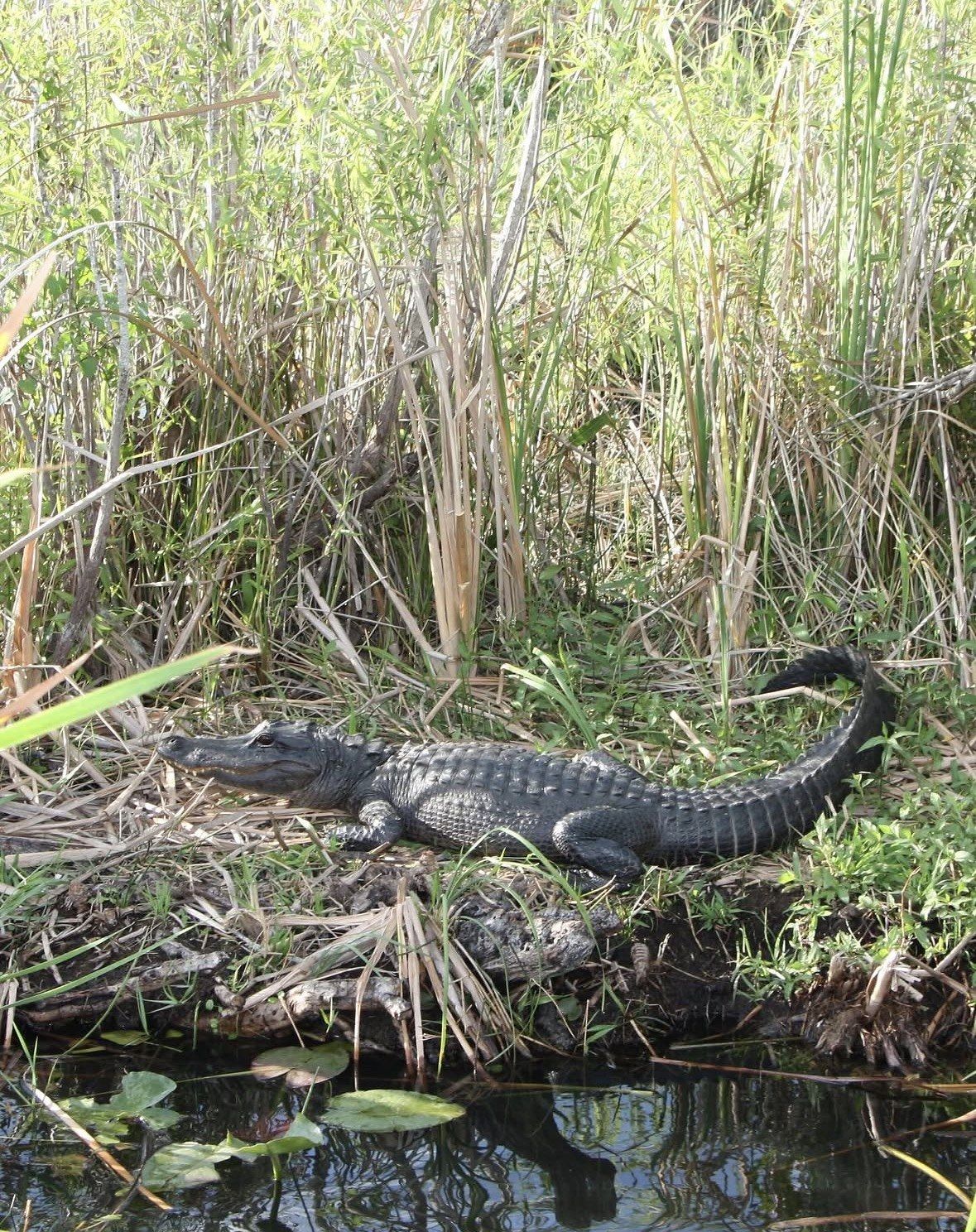
Cold months reverse the advice. Alligators are dormant below 55°F (12.8°C) and need roughly 70°F (21°C) before they will feed, yet large animals come out to bask once a winter day warms up, so in January the 12:15 PM or 2:45 PM boat hands you a warmed animal and the strongest light available. The 5:00 PM slot belongs to high summer, when the sun is off its peak and the deck is bearable; in December it puts you on the water with the light already draining away.
- June to September: 9:30 AM, or 5:00 PM if you want warm light more than cool air.
- October and November: any slot. Average highs in the 60s°F, lows in the 40s-50s°F and less frequent rain make this the easiest stretch for a long session on an open bench.
- December to February: the two middle departures, once the day has warmed and basking is possible.
- Spring: morning only, since frequent afternoon thunderstorms can stop boats going out.
Covered deck, four start times
The covered boat with transportation runs at 9:30 AM, 12:15 PM, 2:45 PM and 5:00 PM, so you can pick the hour that suits the light and still have a roof over your gear: 5 hours, from $76, rated 4.9 ★ (7171 reviews).
★ 4.9/5 · 7,171 reviews
Camera settings for a swamp boat and for an airboat
Work in shutter priority and let the body sort out the rest. On a covered flat-bottom boat easing along a channel, the shutter has to cope with three things at once: your own hands, the wobble of the hull and a heron's wingbeat. An airboat asks for a great deal more, because the boat is quick, the deck vibrates under the engine and the subject is usually behind you by the second frame. Set auto ISO with a ceiling you can accept and let it climb under the canopy.
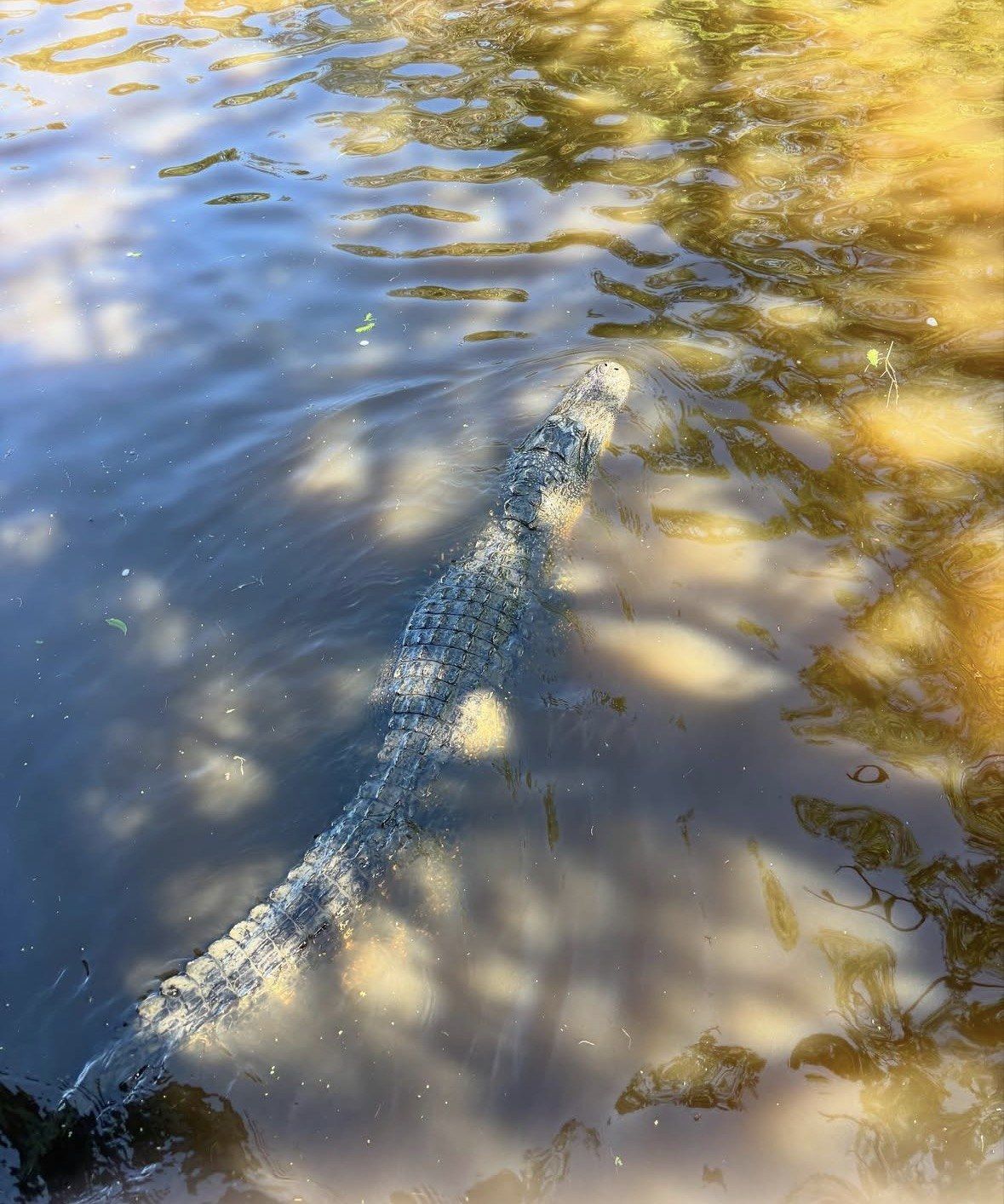
Light under cypress is what the settings exist to solve. The canopy throws deep shade onto water that is simultaneously reflecting a bright sky, so average metering returns a grey alligator in front of a white hole. Put spot or centre-weighted metering on the animal, let the sky go pale, and pull exposure down slightly when the subject is a white egret or an ibis. Continuous autofocus and a short burst beat one carefully composed frame while the boat is swinging.
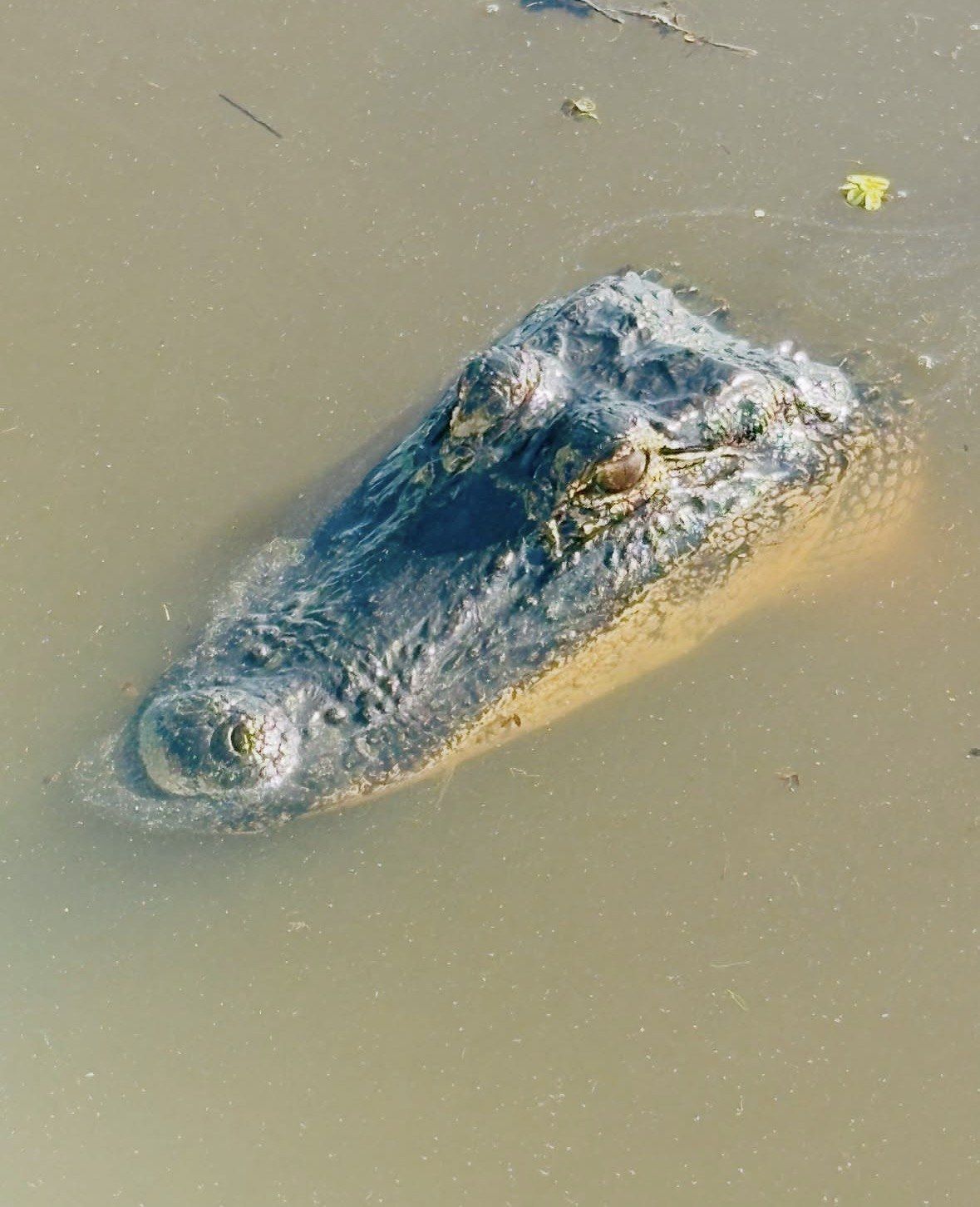
Phone photos of alligators in the swamp come out better than most people expect if you change two habits. Press and hold on the animal's head to lock focus and exposure, then slide the exposure slider down so the water stops glowing, and shoot a burst instead of a single tap. Keep digital zoom modest, because a heavily cropped phone frame of a distant snout is mostly noise, and wipe the lens before each attempt, since a film of spray turns everything milky.
- Shutter priority, the fastest speed the light will give you.
- Auto ISO with a ceiling, raised rather than slowing the shutter.
- Continuous autofocus and short bursts.
- Spot or centre-weighted metering on the animal.
- Polariser for bright middays, off again under the canopy.
- Lens hood on, as much for spray as for flare.
Lens reach for distant wildlife
One telephoto zoom on one body is the right kit. Changing lenses on a damp bench while spray comes over the side is how sensors get dirty, and a fixed focal length leaves you unable to reframe as the boat turns. Alligators often surface closer than you planned; birds almost never do.
Reach earns its weight on the bird list. The Honey Island Swamp has 214 recorded bird species, Barataria Preserve counts more than 200 on its waterways along the Mississippi Flyway, and nearly 200 are logged in the Manchac-area marsh at Joyce WMA. Most of them appear as a shape on a far snag: Bald Eagle, Sharp-shinned Hawk and Cooper's Hawk from fall through spring on the Manchac side, Green-winged Teal, Ring-necked Duck and Hooded Merganser on the water, Barred Owl and Pileated Woodpecker in the trees year-round.
The wide end of the zoom has a job too. Cypress corridors, the knees standing out of the water and Spanish moss all need context rather than reach, and the moss is worth a caption: the Park Service calls it an epiphyte that takes moisture and nutrients from the air, more closely related to pineapples and other bromeliads than to any moss. Seasonal subjects move with the calendar, with marsh nests reaching about 3 feet high and 5 feet across in June and early July and hatchlings of 9 to 11 inches appearing in August or early September.
The best swamp tour for photos near New Orleans
Choose a covered flat-bottom boat for a first trip. The roof keeps sun and rain off the gear, the sides break the airflow, and these boats are listed for up to 22 guests, which usually means you can shift along the bench towards whichever side the guide is pointing at. On bigger, fuller boats you end up shooting over shoulders, and that is the single thing most likely to cost you a frame.
An airboat is an open bench with no roof and no sides, which gives the cleanest sightline of any motorised format, along with engine noise that calls for ear protection, vibration through the deck and, on the six-passenger airboat on this site, a minimum age of 5. A kayak drops you to eye level with the water, the lowest angle available in these swamps, at the price of one hand on the paddle and nowhere dry to put a long lens.
For a single morning with a camera, book the covered boat and take the 9:30 AM departure. If you already have the standard frames and want the cypress corridors from water level, the Manchac kayak trip is the one to add; if alligators are the only subject on your list, the shorter narrated cruise does that job.
| Tour | Format | Duration | From | Rating | Why it works for photographs |
|---|
| New Orleans Swamp and Bayou Boat Tour with Transportation | covered swamp boat | 5 hours | from $76 | 4.9 ★ (7171 reviews) | Roof over the gear, four start times to match the light, live commentary on board telling you which side to face |
|---|
| Small-Group Manchac Swamp Kayak Tour | small-group kayak, paddle lesson and gear | 2.5 hours | from $90 | 4.9 ★ (995 reviews) | Water-level angle in the Manchac cypress, a small group and no bench to shoot across |
|---|
| New Orleans Swamp and Bayou Alligator Tour | narrated boat cruise, transport or self-drive option | 1.25-4 hours | from $35 | 4.3 ★ (1343 reviews) | Shortest route to alligator water when that is the only subject you want |
|---|
Spray, humidity and the rules on deck
Assume water. Keep the bag closed between sightings, carry a rain cover and two microfibre cloths, and put anything you are not holding inside a dry bag if you are paddling. Humidity here works on the inside of a lens as much as the outside, so give the kit time to settle to the air rather than pulling it straight out of an air-conditioned vehicle at the dock. Two weather patterns can delete a shoot before it starts: hurricane season covers June through November, and spring afternoons bring thunderstorms often enough to stop boats going out, so put a spare day in the itinerary and keep the camera day flexible.
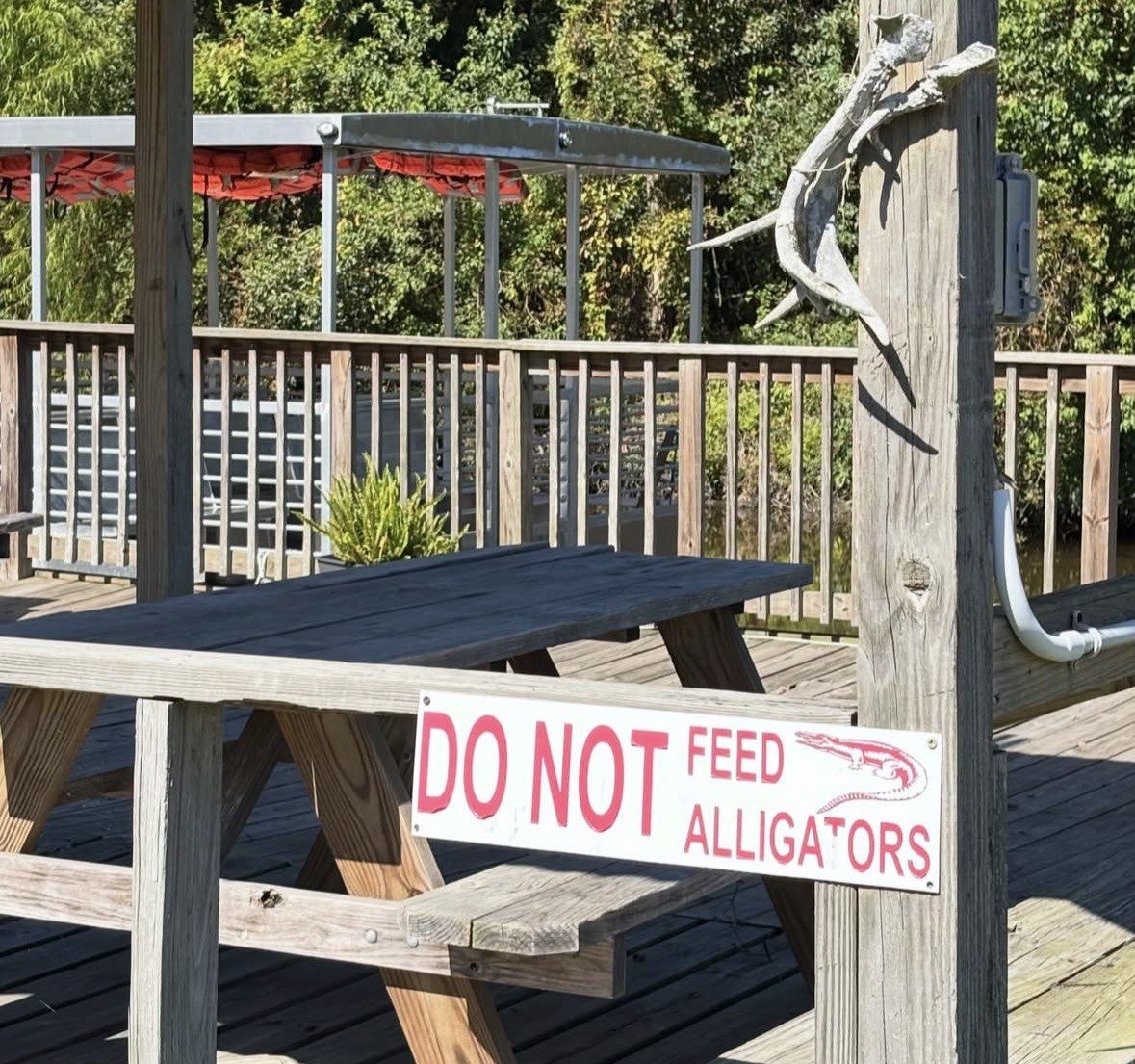
Stay in your seat and keep the camera inside the boat. Leaning out over the gunwale to improve an angle is not allowed and it puts a lens over open water; use a wrist or neck strap the whole time. Park Service guidance on the animals is blunt: never approach, harass or feed alligators, which can move very quickly, and give any snake or alligator plenty of room. Feeding wildlife is prohibited in Jean Lafitte National Historical Park and Preserve, so nobody on board will be baiting a shot for you.
Insects decide how still you can hold a camera. A hand swatting at mosquitoes is a hand off the lens barrel, and the Park Service puts repellent and closed-toe shoes on its list for the preserve, where mosquitoes stay active through most of the year; stinging caterpillars and fire ants get their own warning from the park. Put repellent on before you pick up the camera: it marks rubber grips and plastic barrels.
Questions people ask
Can I use a tripod or monopod on a swamp boat?
Leave both at the hotel. You shoot from a fixed bench on a moving hull, where legs have nowhere to stand and a monopod transmits engine vibration straight into the body. Handhold with a fast shutter and brace your elbows against your knees, and keep the whole rig inside the boat.
Which seat should I take for photographs?
Aim for an outer place on a bench rather than the middle, and board early enough to get it: check-in is 30 minutes before departure at the Honey Island dock, and the Marrero departure asks you to be there at least 20 minutes ahead. Group size matters more than the exact seat, which is why a boat listed for up to 22 guests beats a larger, fuller boat.
What is the best month of the year for alligator pictures?
Late April onwards, once the animals are feeding vigorously, through to the tail-off in early October. April and May are the mating months, June and early July bring nest building and egg laying, and August or early September is when 9 to 11 inch hatchlings appear. Winter still produces pictures, because large animals bask on warm days even while dormant below 55°F (12.8°C).
Can I photograph from the Barataria Preserve boardwalks in 2026 and 2027?
Not the famous ones. Hurricane Ida repair work shut the Visitor Center and most trails on 2 February 2026, and the National Park Service puts the job at about two years, which takes the Bayou Coquille and Marsh Overlook boardwalk out of your plans along with Palmetto, Plantation, Old Barataria, Christmas Road, Ring Levee and Wood Duck. While that work runs, a boat or kayak tour is the way to photograph these wetlands.
How do I stop the lens fogging in the humidity?
Let the gear reach outside temperature before you need it. Take the camera out of the bag while you are still at the dock rather than at the first sighting, and keep it out of an air-conditioned vehicle's cold airflow on the way there. Carry two cloths, because the first one will be damp within the hour, and store silica packs in the bag between trips.
Read also