Where the water came from and what to call it
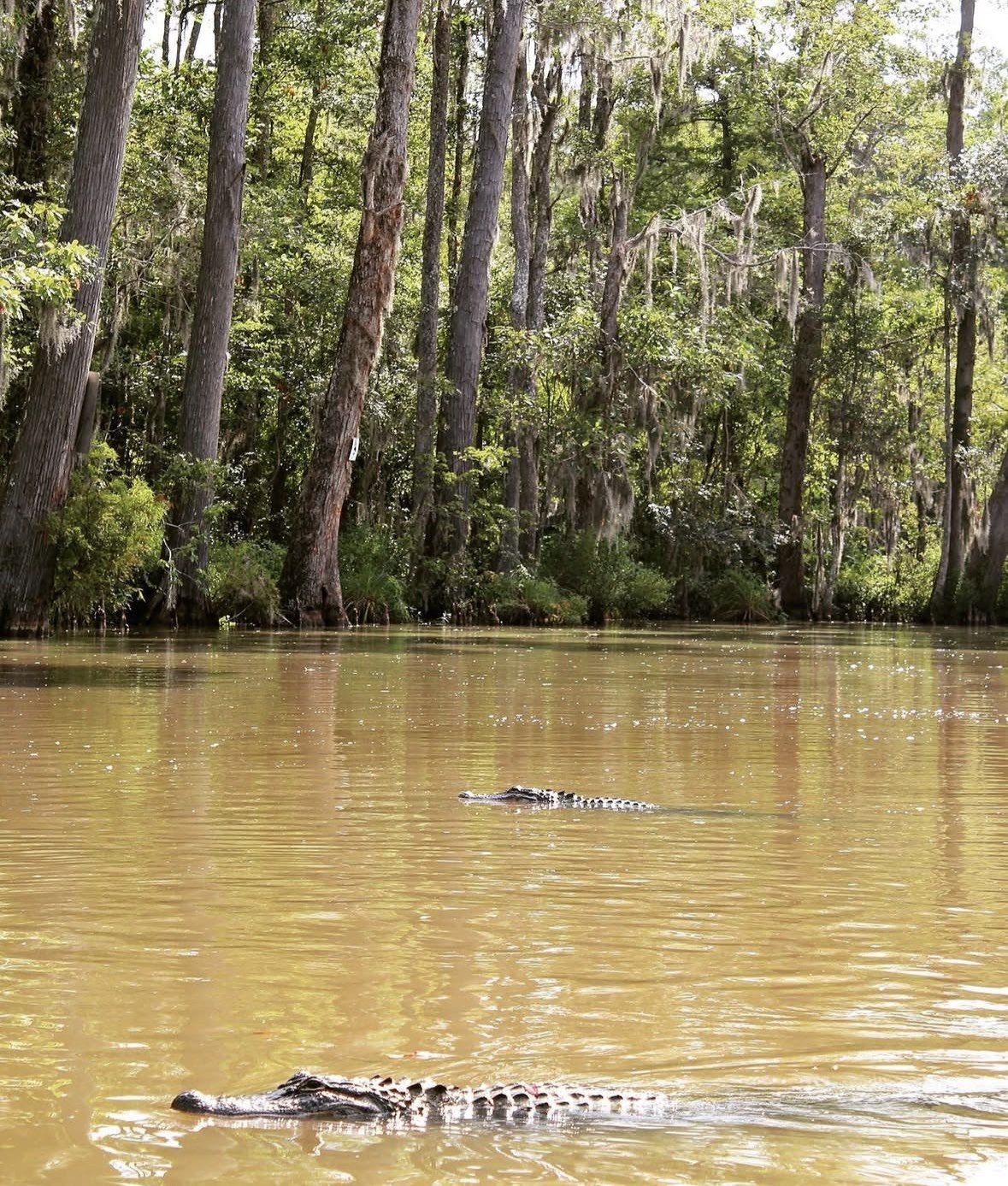
Bayou comes from the Choctaw Bayuk, meaning small stream. The National Park Service defines a bayou as a slow-moving marshy waterway: the constantly flowing, typically wide and shallow part of a river, stream or coastal estuary, and its water can be fresh, brackish or salt. A swamp works differently. The EPA describes it as a wetland dominated by woody plants, with southern forested swamps built around cypress (Taxodium spp.), red maple, overcup oak and willows, fed by surface water or groundwater and sometimes stagnant. Marshes are frequently or continually inundated and dominated by soft-stemmed emergent plants such as cattails, reeds and bulrushes. Barataria Preserve, south of Marrero, holds all three, organised into hardwood forest, swamp and freshwater marsh.
Commercial cypress logging reshaped the northern swamps in the late 1800s and early 1900s. The Pontchartrain Conservancy records that the entire Maurepas land bridge between Lakes Pontchartrain and Maurepas was clear cut during that peak, and the sawmill settlements doing the cutting sat on the Manchac rim. Ruddock was one of them, with about 700 residents in 1910, and Frenier stood nearby. A Category 4 hurricane with 145 mph winds came ashore in 1915. Ruddock was never rebuilt. Frenier was, and Frenier Road is still the address of the LaPlace wildlife-refuge dock at number 110, about 25 miles from New Orleans, where pontoon-style flat-bottom boats go out over the same water.
Hoodoo, alligators and the animals that stayed
Folklore in the Manchac wetlands keeps coming back to one name. The Historic New Orleans Collection documents that 'Aunt' Julia Brown of Frenier was born about 1845, inherited a 40-acre homestead and died of old age in 1915, with her funeral set for 29 September, the day the storm reached the lakes. Over a century that coincidence hardened into a curse story, told on the water as hoodoo: a woman who sang that the place would go with her when she went. Historians treat it as legend attached to a documented life and a documented date, and versions of it still circulate in the Manchac wetlands, among the cypress corridors she lived beside.
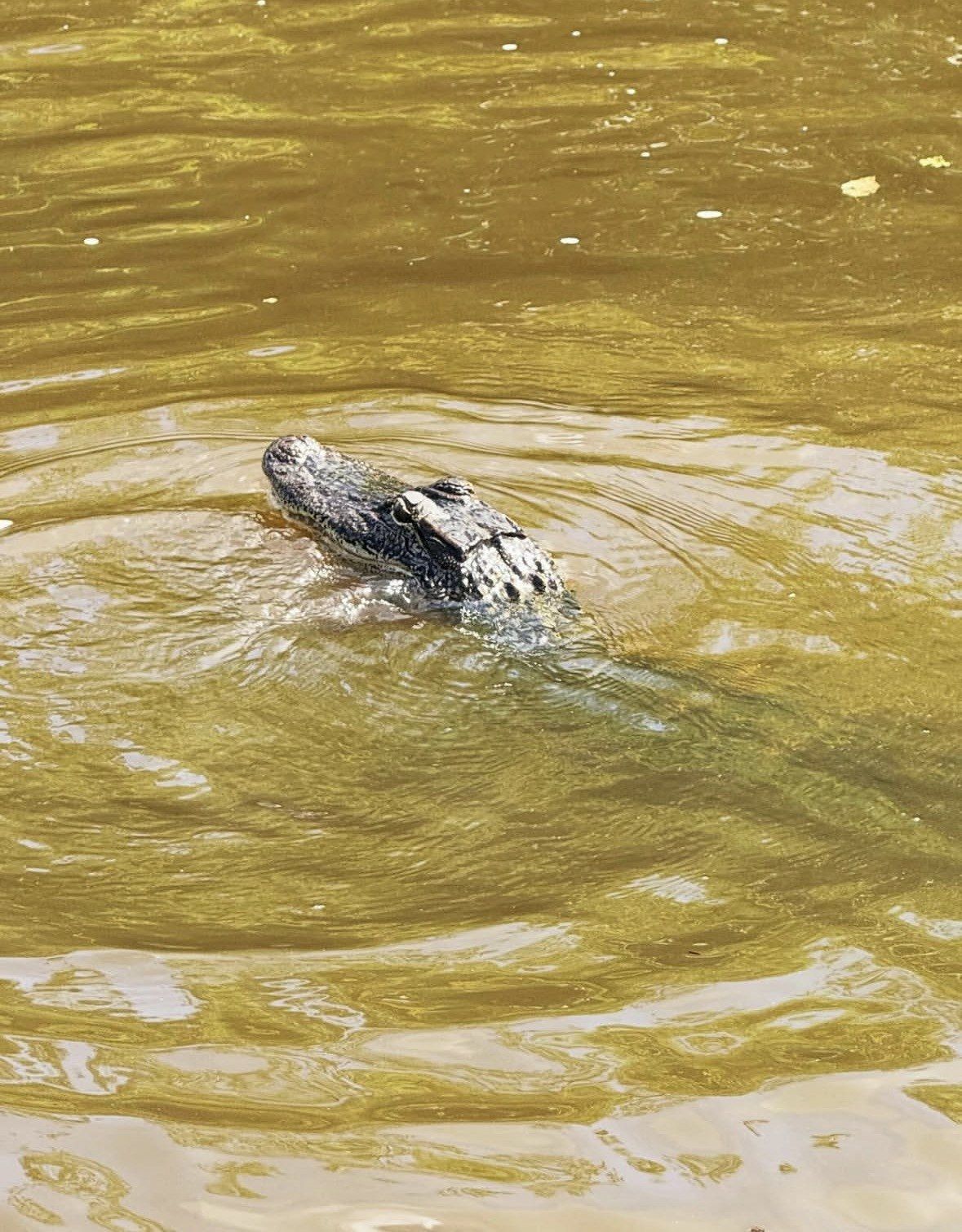
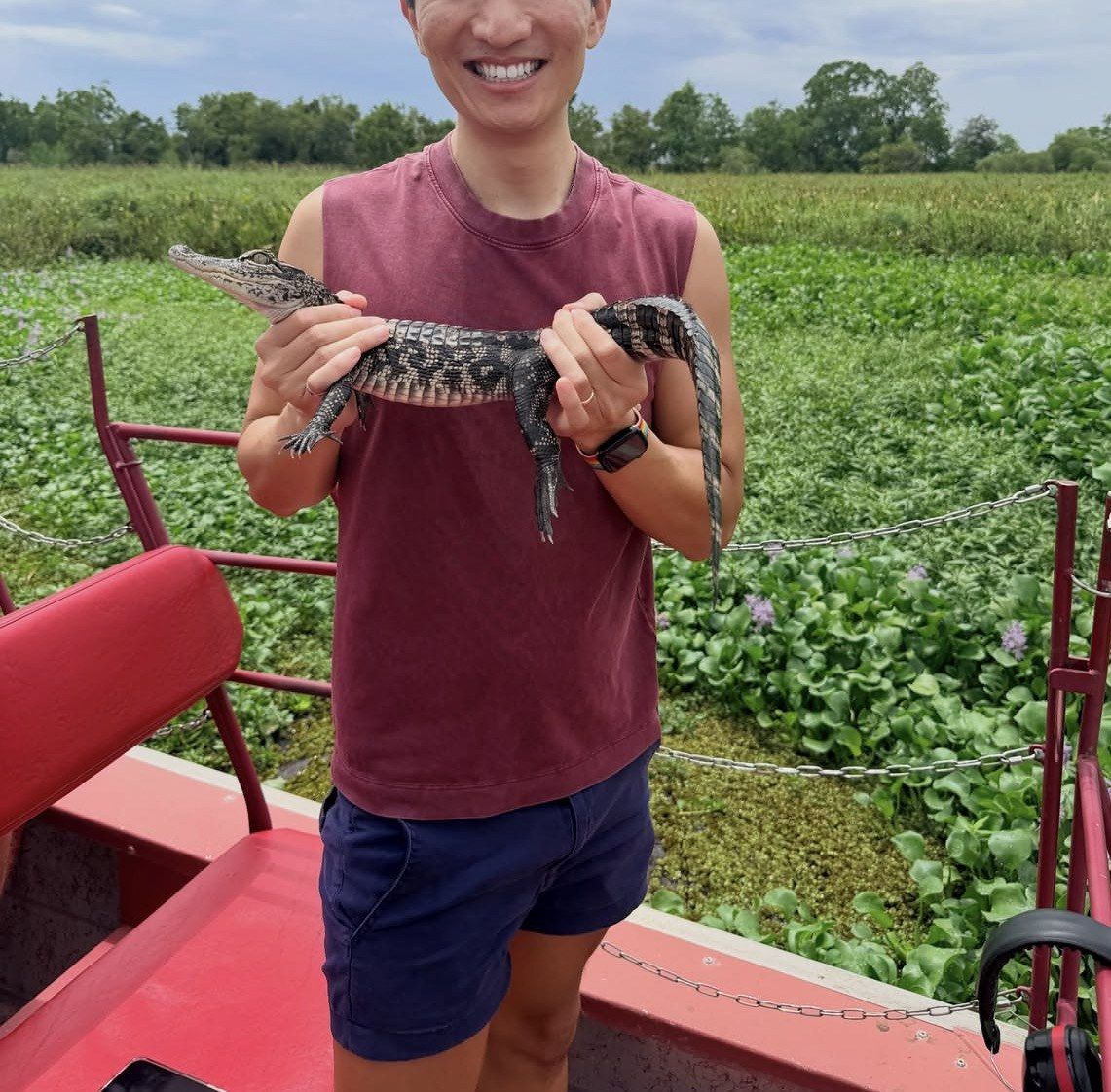
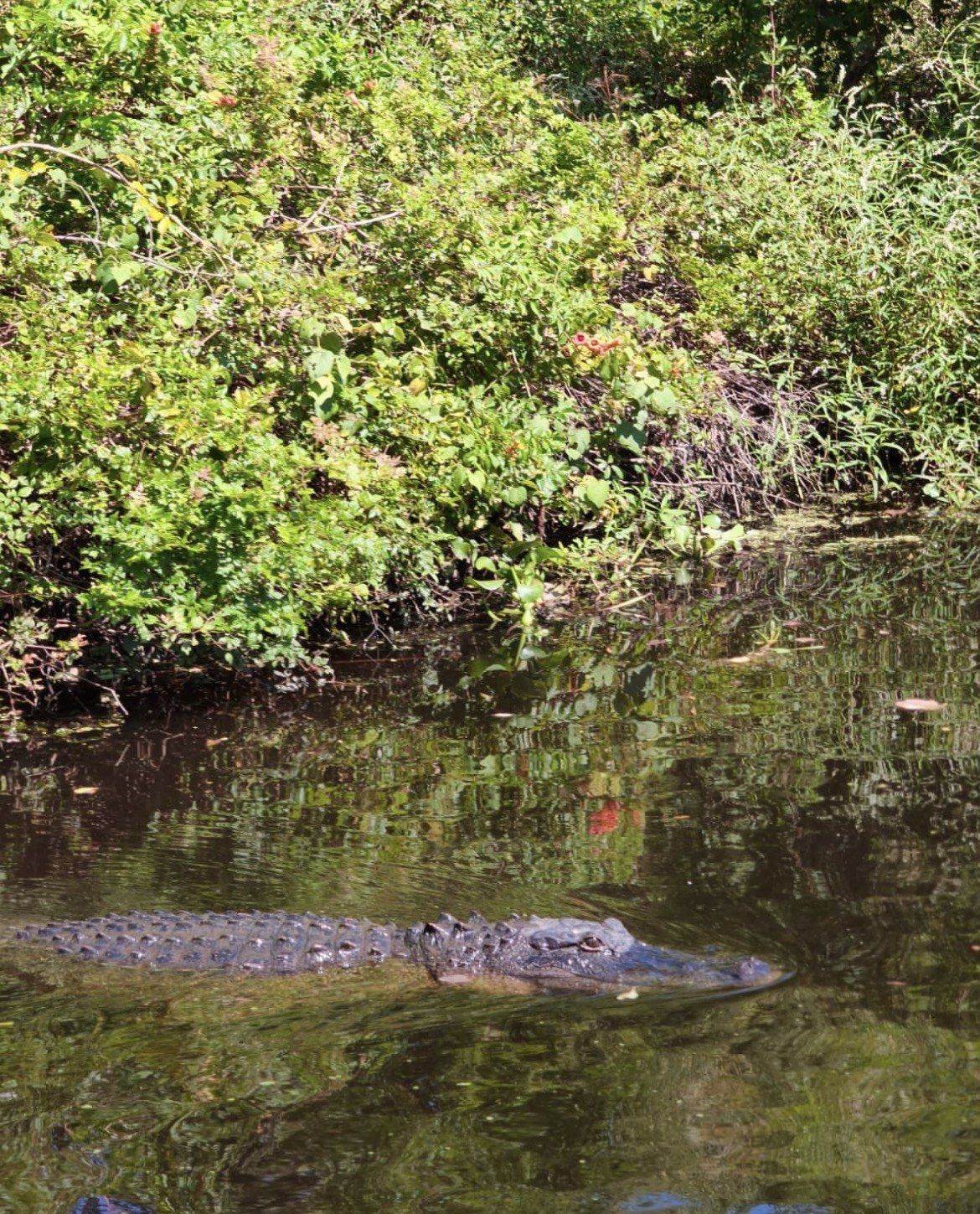
Alligator hunting in Louisiana was banned in the mid-to-late 1960s and reopened under regulation in 1972, and the wild harvest has since run at roughly 30,000 animals a year. LSU AgCenter records a tight breeding calendar: mating in April and May, nest building and egg laying in June and early July, hatching in August or early September, with hatchlings 9 to 11 inches long. Females lay 20 to 50 eggs a year and begin nesting at about 6 feet long and 10 to 12 years old. A marsh nest can reach about 3 feet high and 5 feet across. At Barataria the Park Service states that eggs incubated above 90 degrees produce males and below 86 degrees females.
Birds outnumber everything else out there. Over 200 species use Barataria Preserve's waterways and vegetation on the Mississippi Flyway, with Barred Owl, Pileated and Hairy Woodpeckers, Carolina Chickadee, Tufted Titmouse, Carolina Wren and Northern Cardinal present year-round, while Pearl River WMA and the Honey Island Swamp hold 214 recorded species, including nesting Swallow-tailed Kite and Swainson's Warbler. Barataria has 22 recorded snake species, of which two are venomous, and nine turtle species from red-eared slider to alligator snapping turtle. The gray squirrel is the mammal you see most often. Spanish moss hanging off the branches is an epiphyte that takes moisture and nutrients from the air, more closely related to pineapples than to any moss.
Numbers behind the New Orleans wetlands
1915
Category 4 hurricane, 145 mph winds, that struck the Manchac sawmill towns
1972
Year regulated alligator hunting reopened in Louisiana
2,006 square miles
Coastal Louisiana land lost between 1932 and 2016
70,000 acres
Approximate extent of the Honey Island Swamp near Slidell
26,000 acres
Barataria Preserve as given on the park's preserve page
5.5-mile
Controlled-flow diversion planned for the Maurepas Swamp
From logging ground to national park unit
Barataria's wetlands became a unit of Jean Lafitte National Historical Park and Preserve, and the scale surprises people who expect a city park. The park's Nature page gives more than 23,000 acres of swamp, marsh, trails and waterways; the preserve page puts the unit at about 26,000 acres of bayous, swamps, marshes and forests. Its address is 6588 Barataria Blvd, Marrero, LA 70072, and New Orleans & Company places it 30 minutes outside the French Quarter. Three plant systems, hardwood forest, swamp and freshwater marsh, sit within a short drive of the city.
Planning for the 2026 and 2027 seasons has to account for construction. The Barataria Preserve Visitor Center and most of its trails closed on 2 February 2026 for Hurricane Ida repair work the National Park Service expects to last about two years. The closed routes include Bayou Coquille and Marsh Overlook, Palmetto, Plantation, Old Barataria, Christmas Road, Ring Levee and Wood Duck. Some tourism listings still advertise visitor centre hours, so check current conditions with the park.
All of this sits on shrinking ground. USGS puts coastal Louisiana's land loss at about 2,006 square miles (5,197 km2) between 1932 and 2016, with a margin of 171 square miles, a peak rate near 32.0 square miles a year and a recent moderate rate around 10.8 square miles a year: a football field of wetlands every 34 minutes at the fastest and every 100 minutes lately. Construction of the Mississippi River-Gulf Outlet raised salinity in Lakes Pontchartrain and Maurepas, and salinity has decreased since its closure. Southeastern Louisiana University's Wetlands Restoration Laboratory found bald cypress tolerant of about two weeks of saltwater and no evidence that salt explains the missing regeneration in Manchac, while nutria, released from a south Louisiana fur ranch in the 1920s, cause 100% mortality of unprotected seedlings.
What the swamps look like on a visit now
Restoration work is part of the landscape you look at. CPRA's River Reintroduction into Maurepas Swamp will send Mississippi River freshwater through a 5.5-mile controlled-flow diversion to add nutrients, flush out stagnant low-oxygen water and deliver fine sediment, with construction starting at Hope Canal in 2024, work near Garyville in 2027 and completion estimated in 2030. The city tourism bureau lists six ways to get out into the wetlands: boat, airboat, kayak, aerial, walking and a swamp zipline in LaPlace. Winter does not empty the water. Alligators brumate rather than hibernate, going dormant below 55°F (12.8°C) and feeding only above about 70°F (21°C), and they still climb out to bask on warm days.
October and November are the mildest stretch for two hours on an open deck, with average highs in the 60s°F, lows in the 40s-50s°F and less frequent rain. June to September brings highs in the low 90s°F and a heat index that can reach 110°F, and hurricane season runs June through November, so build a spare day into the itinerary. Bring insect repellent and closed-toe shoes in any month: mosquitoes are active most of the year and the park also warns about stinging caterpillars and fire ants. Early departures are the comfortable ones, and the boat tour with transportation picks up outside the Homewood Suites French Quarter at 317 North Rampart Street at 8:00 AM for the 9:30 AM tour, 5 hours in total, from $76, rated 4.9 ★ (7171 reviews).